Summer Solstice, Litha, & Alban Hefin: Celebrating the Longest Day
“The earth has music for those who listen.”
— Often attributed to William Shakespeare
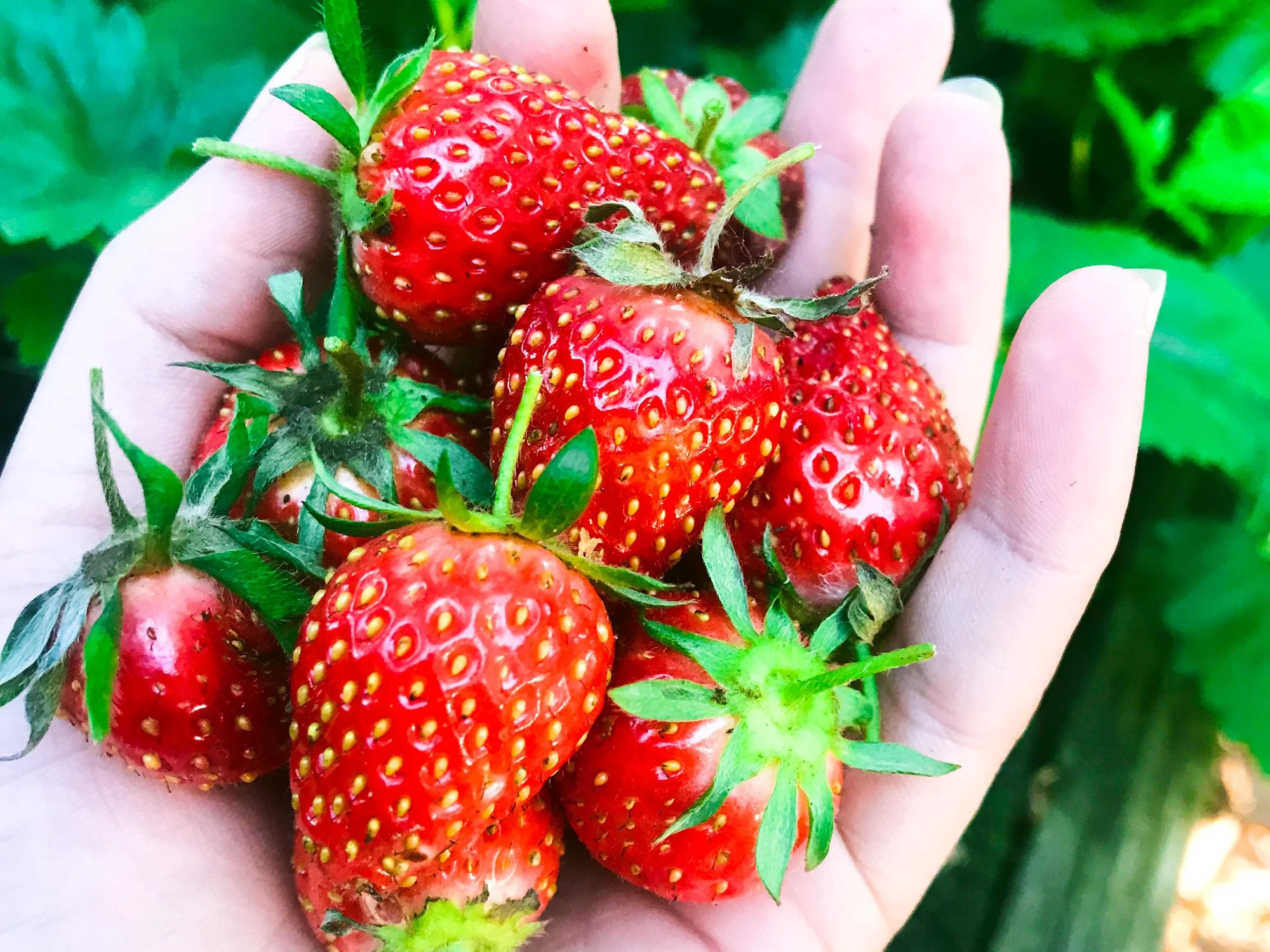
The strawberries are ripe.
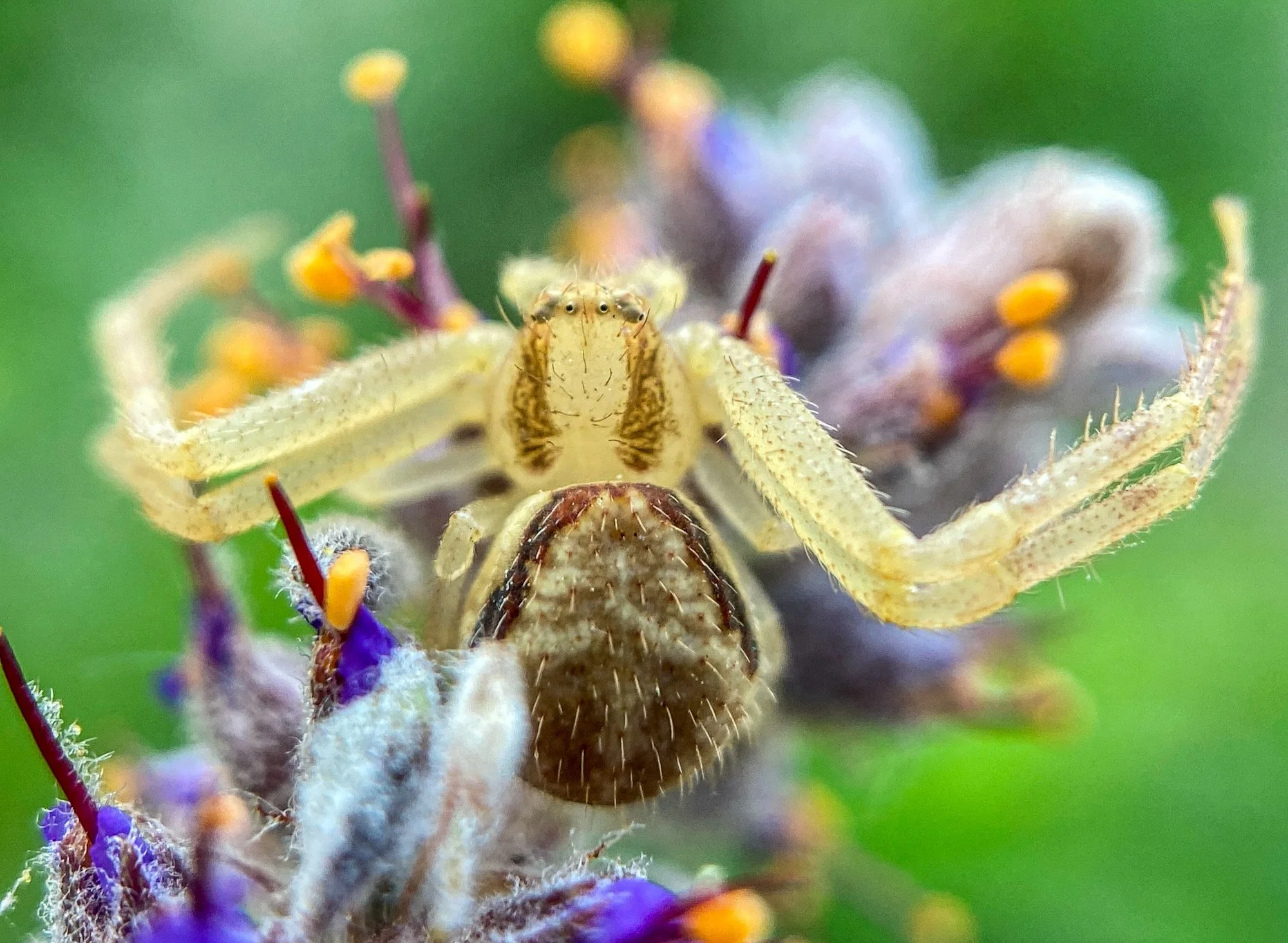
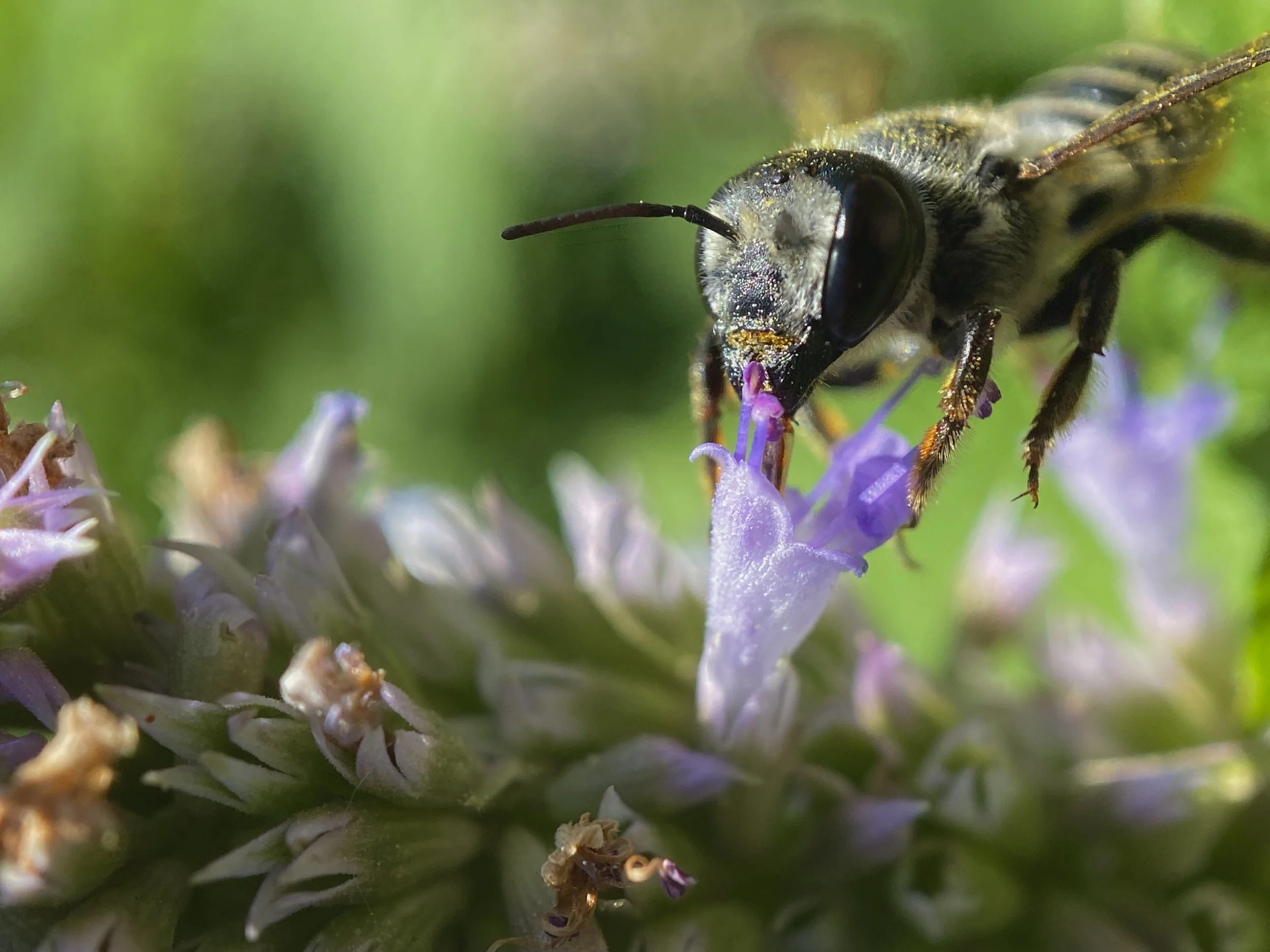
Bees drift between the flowers in the garden. Cicadas hum in the afternoon heat. Prairie grasses sway beneath a sun that seems reluctant to leave the sky. The days have stretched long and golden, and everywhere the landscape feels alive with abundance.
The summer solstice has arrived.
For many people, the solstice is simply the first day of summer. Yet for thousands of years, cultures around the world have recognized this day as something special: a moment to pause, celebrate, and acknowledge our place within the great turning of the seasons.
Whether you know it as the Summer Solstice, Midsummer, Litha, or Alban Hefin, this day invites us to notice the world around us and the season within us.
The Science of the Solstice
The word solstice comes from the Latin words sol (sun) and sistere (to stand still).
On the summer solstice, the Northern Hemisphere is tilted most directly toward the Sun. The Sun reaches its highest point in the sky and follows its longest path above the horizon, creating the longest day and shortest night of the year.
This doesn’t mean the Earth is closest to the Sun. In fact, Earth is slightly farther from the Sun during Northern Hemisphere summer. The seasons are caused by Earth’s tilt, not its distance from the Sun.
After the solstice, daylight slowly begins to decrease. The change is subtle at first, almost impossible to notice from one day to the next. Yet the wheel has begun to turn.
The longest day already carries within it the first hint of returning darkness.
Why Humans Have Celebrated the Solstice
Long before modern calendars, people watched the sky.
The movement of the Sun helped determine when to plant crops, gather food, migrate, and prepare for seasonal changes. Solar events such as the solstice became natural markers in the yearly cycle.
Archaeological sites around the world reveal that ancient peoples paid close attention to these celestial rhythms. Some monuments were carefully aligned with the rising or setting Sun during important solar events, suggesting that the solstice held significance thousands of years ago.
Across Europe, Midsummer celebrations became woven into local traditions. Communities gathered around bonfires. Songs were sung. Feasts were shared. Flowers were woven into crowns and garlands. Medicinal herbs gathered around Midsummer were often believed to carry special healing qualities.
Though the customs varied from place to place, many shared common themes: light, abundance, fertility, gratitude, protection, and community.
People paused to celebrate the season at its fullest expression.
Litha and the Wheel of the Year
In many modern Pagan traditions, the summer solstice is known as Litha.
Litha is one of the eight festivals that make up the modern Wheel of the Year, a seasonal calendar that includes the solstices, equinoxes, and the cross-quarter festivals that fall between them.
Litha celebrates the power of the Sun, the abundance of the Earth, and the flourishing of life during the height of summer.
Yet beneath the celebration lies an important reminder.
At the very moment when daylight reaches its peak, it begins to slowly decline.
Many traditions see wisdom in this paradox. Growth and decline, expansion and rest, blooming and seed-setting are not opposites. They are partners in an ongoing cycle.
Summer’s fullness already contains the first whispers of autumn.
Alban Hefin and the Druid Tradition
In modern Druid traditions, the summer solstice is often called Alban Hefin, a name popularized during the Welsh Druid revival.
Alban Hefin is often translated as “Light of Summer” or “Light of the Shore.” It represents the height of the Sun’s strength and the brilliance of the season.
For many Druids, Alban Hefin is not simply a celebration of sunlight. It is an opportunity to deepen one’s relationship with the living world.
The solstice reminds us that we belong to a much older story than our schedules, deadlines, and screens often suggest.
The birds know the season.
The wildflowers know the season.
The pollinators know the season.
The trees know the season.
Perhaps part of observing Alban Hefin is simply remembering that we are nature, too.
Celebrating the Solstice in Your Own Way
One of the beautiful things about seasonal celebrations is that they do not need to be elaborate.
A meaningful observance can be as simple as paying attention.
You might greet the sunrise and watch the world awaken.
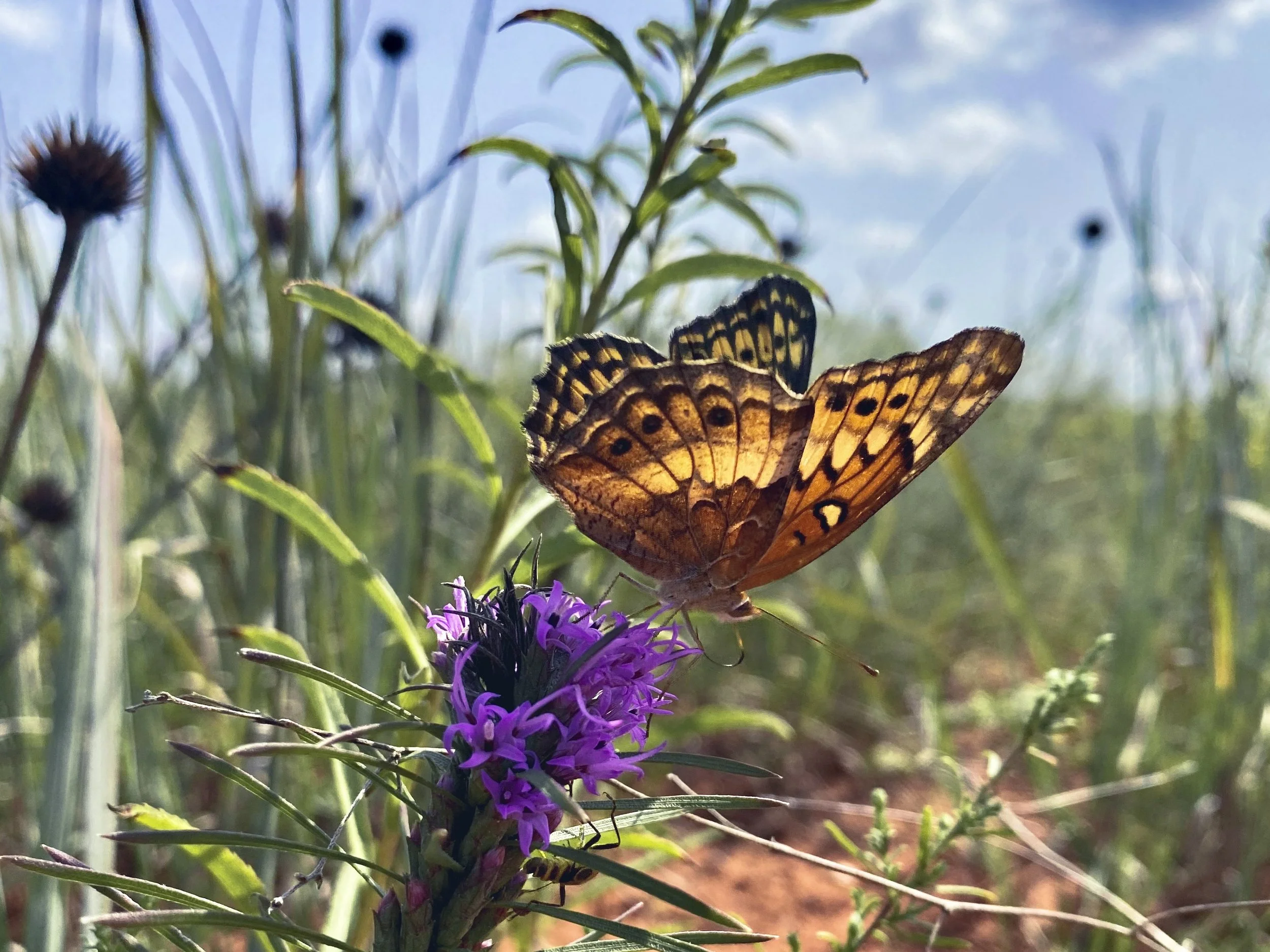
You might spend time in a garden, a prairie, a forest, or a favorite patch of neighborhood green space.
You might create a nature journal page documenting what is blooming, singing, flying, and growing around you.
You might gather flowers, feathers, stones, or other treasures that help you mark the season.
You might share a meal outdoors with friends or family.
Or perhaps you simply sit quietly beneath the evening sky and reflect on the first half of the year.
What has grown in your life?
What has flourished?
What would you like to nurture during the months ahead?
For me, the solstice is often marked not by grand ceremony, but by small acts of attention: a bowl of ripe strawberries, the scent of sun-warmed flowers, the hum of bees in the garden, and the recognition that the Earth has once again carried us to the height of summer.
The Gift of Seasonal Living
Modern life often asks us to move through the year as though every day were the same.
Nature tells a different story.
The world is constantly changing.
The spring wildflowers fade and set seed.
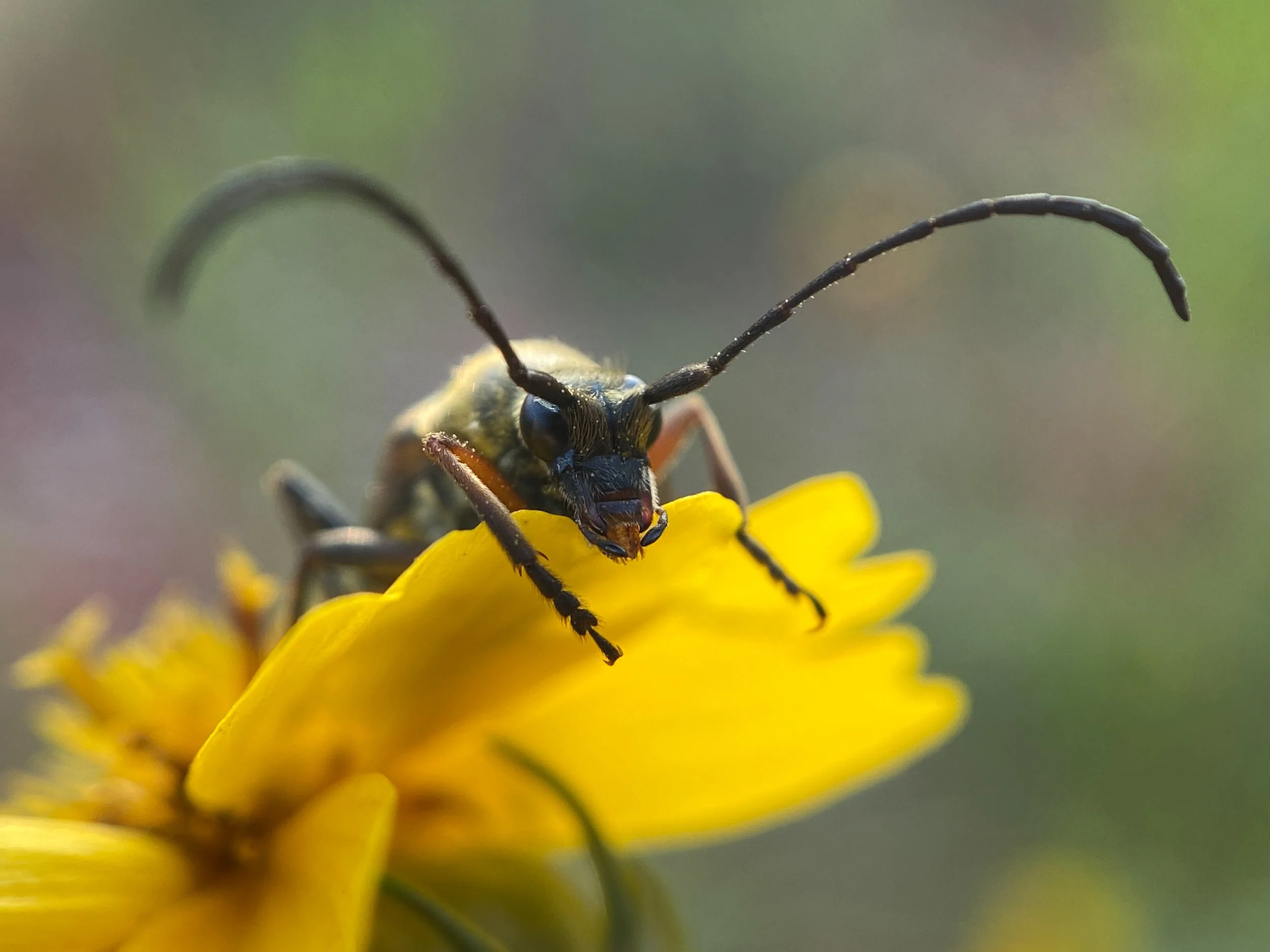
Summer insects emerge.
Prairie grasses rise toward the sky.
Migrating birds come and go.
The angle of sunlight shifts.
Nothing remains fixed.
Observing seasonal festivals such as Litha or Alban Hefin is not necessarily about recreating ancient traditions perfectly. It is about cultivating a relationship with place, season, and time.
It is about learning to notice.
To participate.
To belong.
The solstice invites us to step outside and remember that we are living on a turning Earth beneath a living sky.
The strawberries ripen.
The cicadas sing.
The sun lingers.
The wheel turns.
And here we are, turning with it.
A Solstice Blessing
May you notice the gold at the edges of ordinary things.
May you find wonder waiting in familiar places.
May the abundance of summer remind you that growth often happens quietly.
May your days be warmed by sunlight, your heart by gratitude, and your spirit by the beauty of the living world.
Happy Solstice. Happy Litha. Happy Alban Hefin.