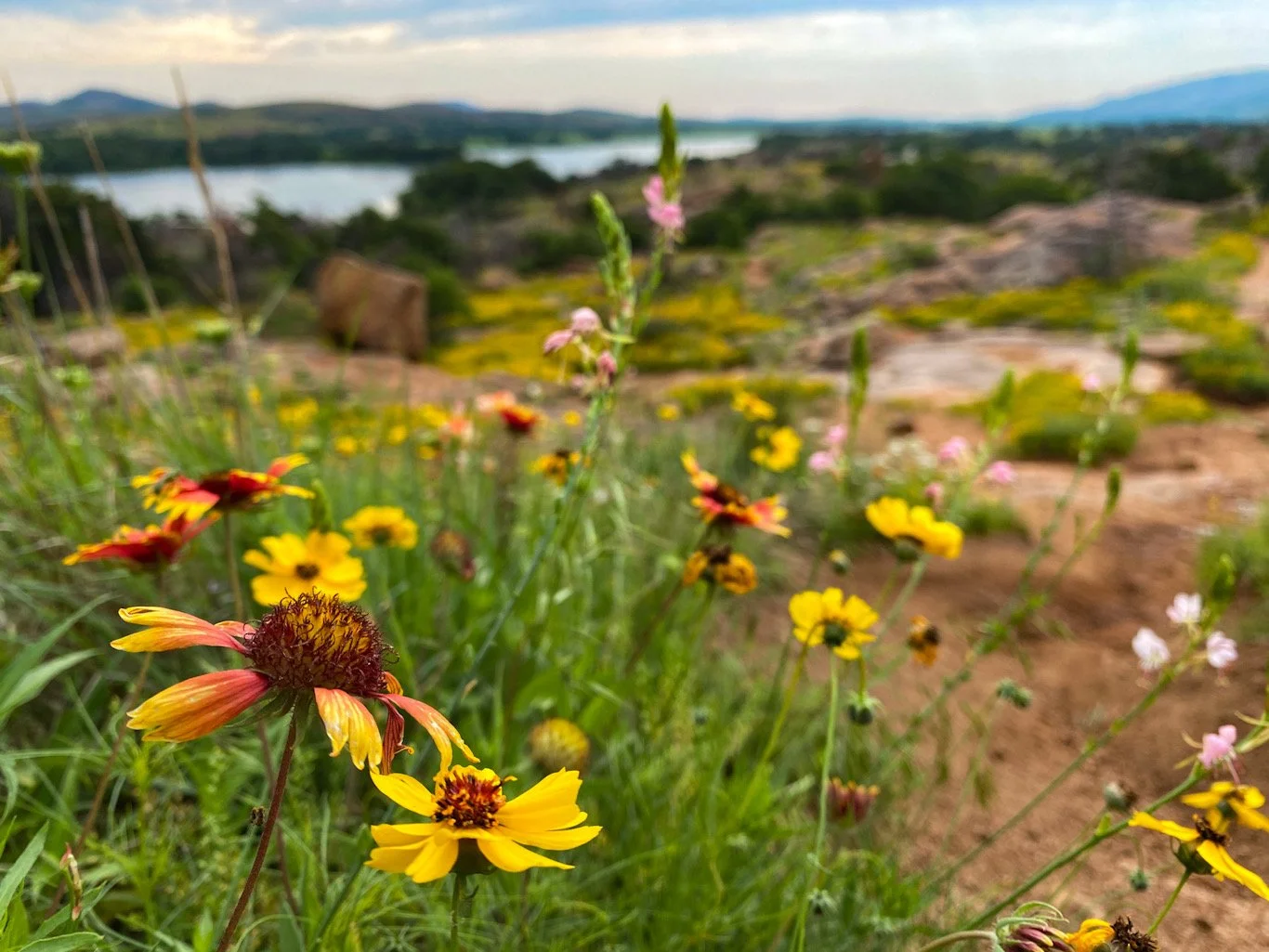
Oklahoma Pollinator & Wildlife Gardening
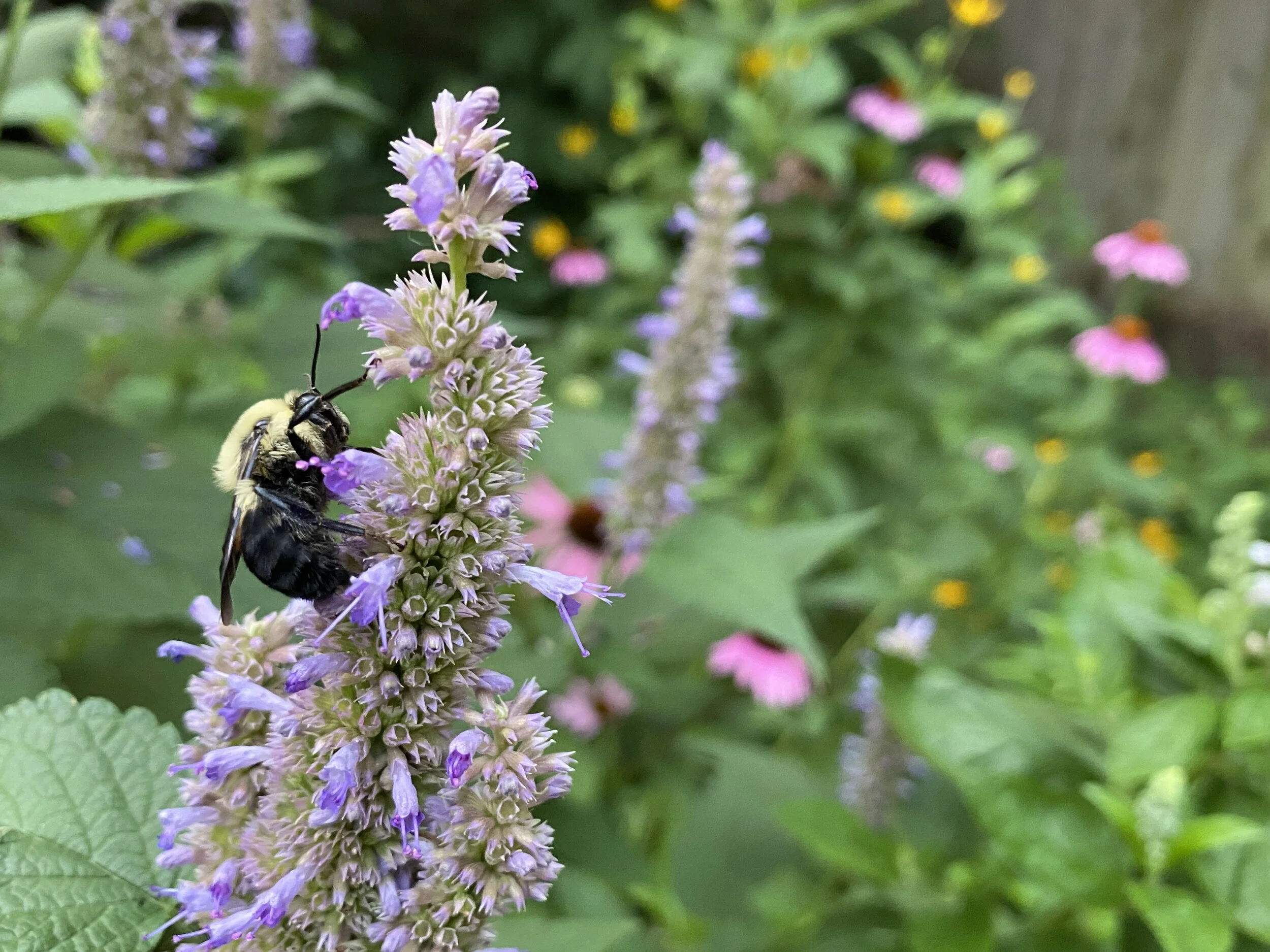
Pollinators Are Important Keystone Species.
Pollinators are important keystone species. They’re absolutely critical to the health and vitality of the ecosystems they belong to. There exists a direct correlation between plant diversity and pollinator diversity, therefore the fate of pollinators will always be intertwined with plants.
According to the Pollinator Partnership-a leading authority on pollinator conservation-there is “disturbing evidence that pollinating animals have suffered from loss of habitat, chemical misuse, introduced and invasive species, and diseases and parasites”.
A large number of plant species-including those that supply healthy fruits and vegetables for human consumption-depend on bees and other pollinators such as flies, ants, beetles, slugs, butterflies, moths, birds, and bats for pollination and production. Native bees are by far our most important pollinators! Additionally, many plants depend on only one pollinator. Without those specific pollinators, those plants cannot reproduce and ecological diversity continues to decline.
The situation may seem bleak, but we must approach it with hope and determination while being good stewards of our land. Adopting even one suggestion to create a more pollinator and wildlife friendly yard or space can and will have an impact. Small changes add up and if enough of us start making changes we can collectively make a huge difference for Oklahoma wildlife!
Creating Backyard Pollinator Habitat
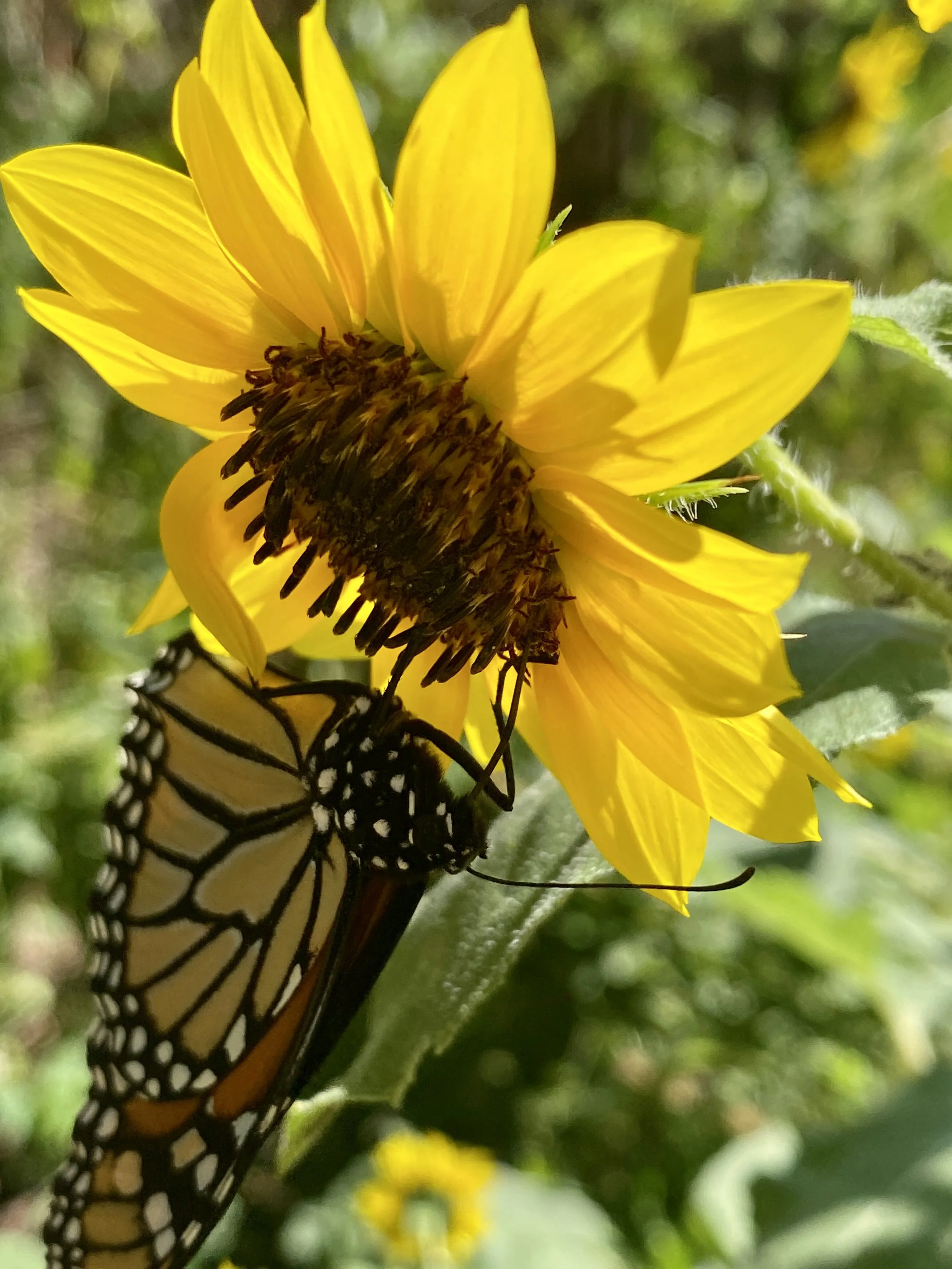
Choose Native Plants and Wildflowers
Tips for Choosing Native Plants & Wildflowers
Choosing NATIVE plants and wildflowers is important. Exotic ornamentals and cultivars-even nativars- do not supply what our native pollinators need. Additionally, almost all of those plants and flowers have been treated with chemicals that will harm the pollinators you’re trying to help. Look for small local nurseries and growers that supply organic/untreated native plants and wildflowers. Avoid big box nurseries. Always ask if the nursery treats their plants and if they have suppliers whether or not those suppliers do. Perfect looking plants that haven’t been nibbled on are a good clue!
Tips:
Seek a variety of flower shapes and colors from different plant families in order to provide for as many different pollinators as possible. Fun fact: red appears black to bees therefore red flowers do not attract bees.
Provide flowering plants that bloom during different seasons to ensure a continuous food source. Fall tends to be the most neglected season for pollinator plant consideration. Asters and Goldenrods are wonderful additions for much needed Fall nectar and pollen.
Extend bloom time by deadheading spent blooms.
Include bulbs, shrubs, and trees as well. Oak trees in particular have a major ecological benefit. A single Oak provides shelter for birds and squirrels, food for over 500 different caterpillars, plus over 100 animals eat the Oaks’s acorns!
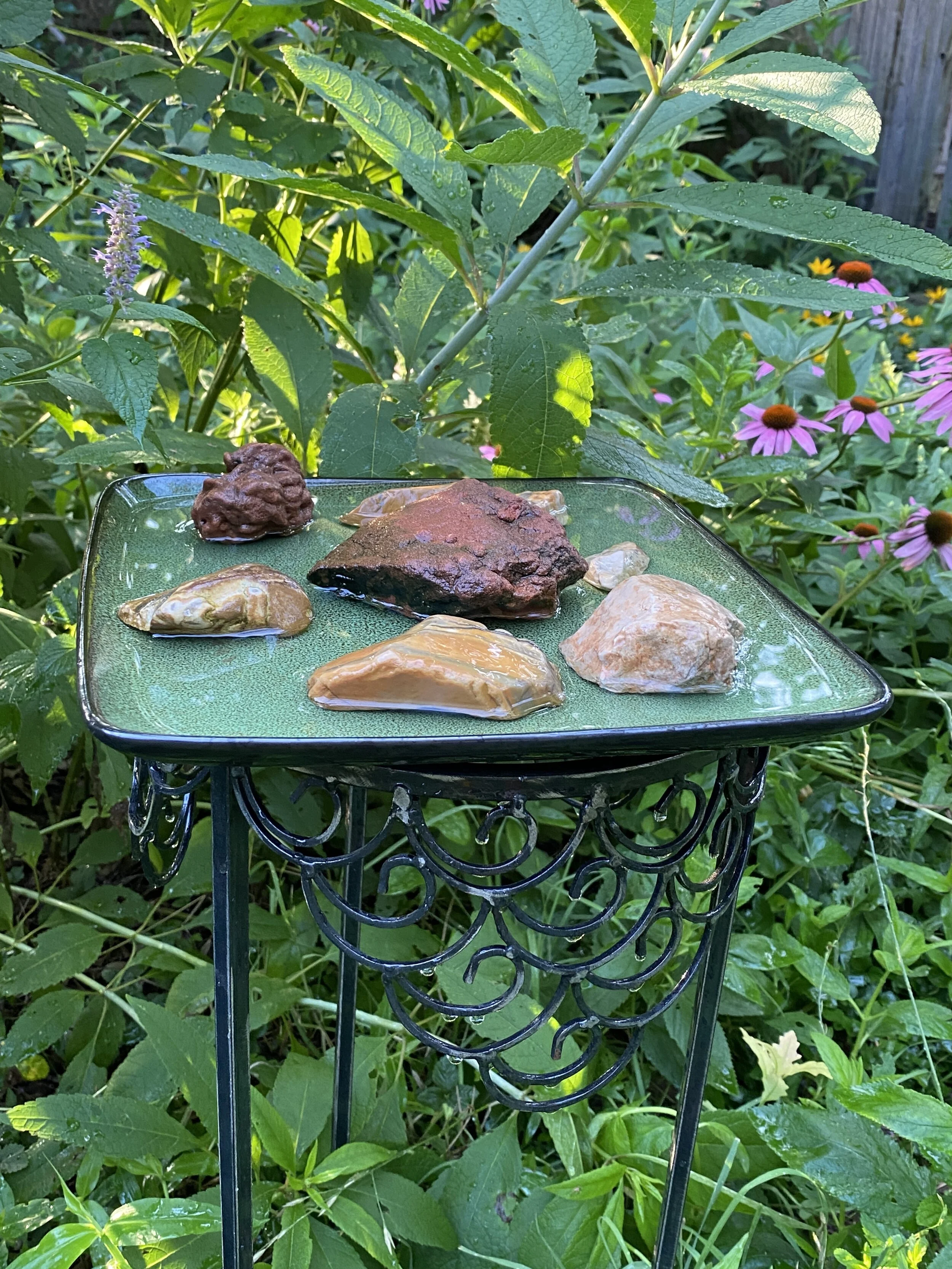
Provide Shallow Watering Stations for bees & Butterflies
Pollinators get thirsty too!
Providing simple dishes with pebbles or stones for bees and butterflies to land on works amazingly well for this purpose. Pebbles and stones allow pollinators to safely drink without getting wet or drowning. Shallow water works best. Place in a protected area near shelter and nectar/pollen sources.
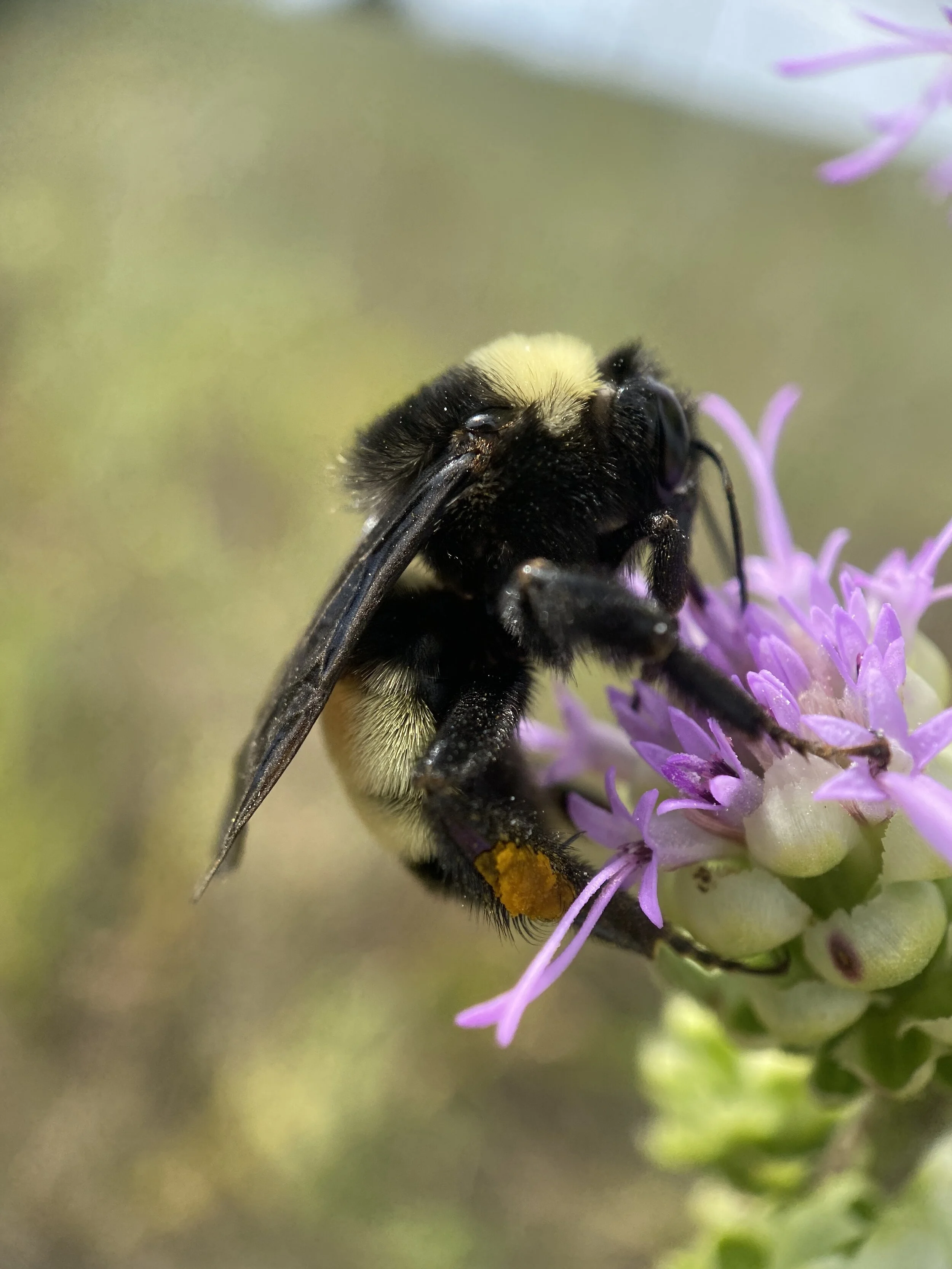
Eliminate Pesticide Use
Are there any good pesticides? No.
Pesticides are commonly used for agriculture and urban gardening to kill pests, diseases, and weeds.
(Pesticides include insecticides, fungicides, and herbicides.)
Pesticides are harmful to pollinators and other beneficial insects as well as the food and water sources that you provide for them in your pollinator garden. Pesticides interfere with pollinator reproduction, navigation ability, and memory. They can ultimately result in the demise of the pollinators that you’re creating habitat for. It’s best to avoid them all together. Remember that you WANT insects eating your plants! A nibbled on plant is a part of an ecosystem while pristine plants with no insect life are not.
If pollinators lay eggs on treated plants, the larva will be exposed. It’s a good idea to ensure that any plants that you’re purchasing from gardening stores and nurseries are untreated. If in doubt, ask! Planting food sources and larval hosts plants such as milkweed that have been treated with pesticides defeats your conservation efforts. Always ensure that your plants are truly organic.
Also, bees who use plant material for constructing nests are at risk of using contaminated material. Additionally, many of our solitary native bees nest underground and they’re at risk of exposure through soil contamination. Contaminated water run-off is another concern.
We can do better.
Learning to appreciate the beauty of a natural organic yard is one of the very best things we can all do to help pollinators!
Change can happen-one yard at a time!
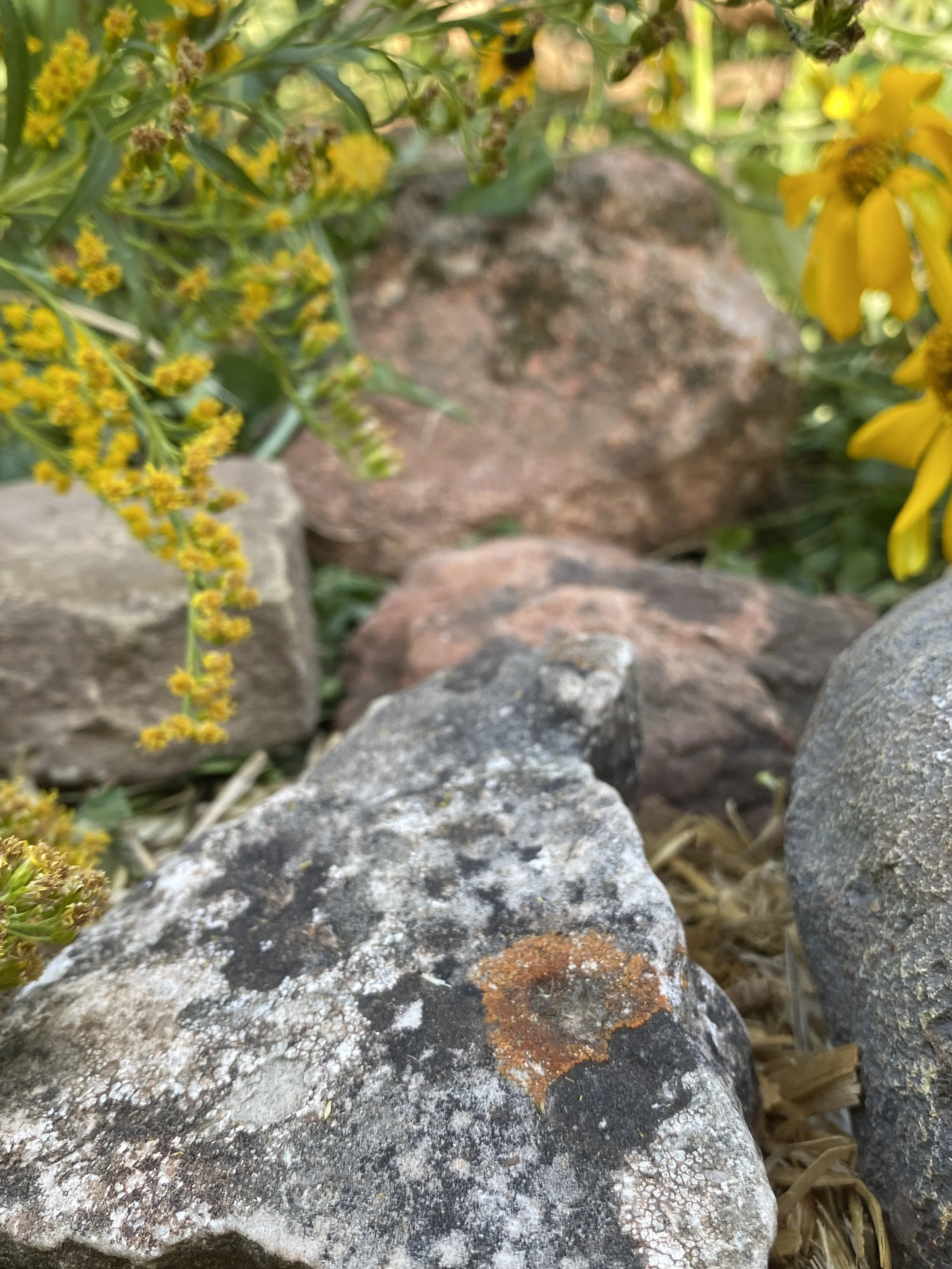
Provide Rocks for Butterfly Warming Areas
Butterflies are cold blooded
It’s important to know that butterflies cannot regulate their body temperature. Their body temperature is determined by their surrounding environment. It’s important to understand that a cold butterfly cannot fly well at temperatures lower than 60 degrees so they will seek warm spots when it’s chilly. A warming station or two (or three!) around your yard is a nice way to give our winged friends an area to warm up.
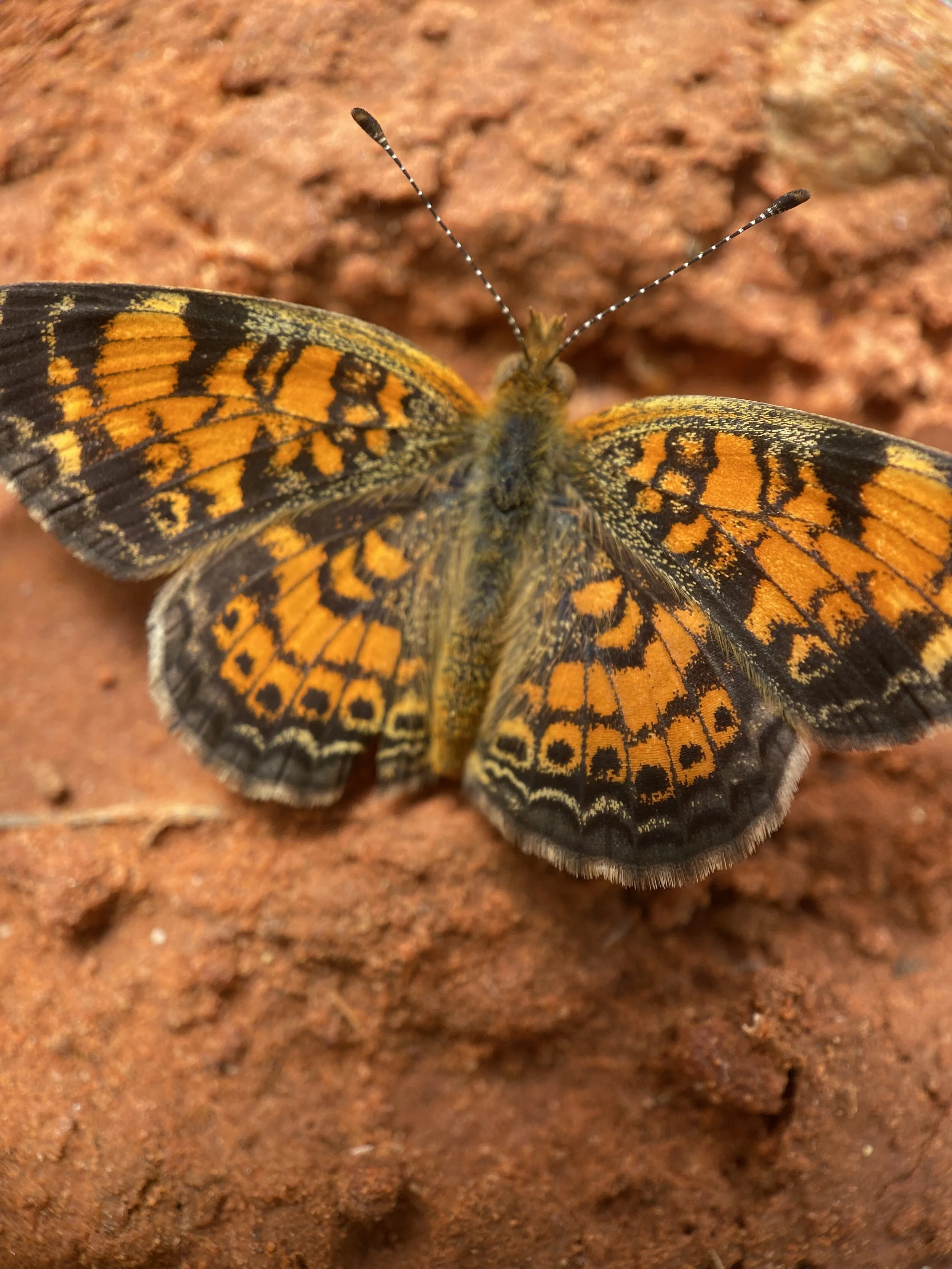
Provide Salt & Mineral Licks (Puddling Station)
They Need Minerals Too!
Mud puddling (or simply “puddling”) is a behavior many butterflies, moths, and other insects engage in.
Flower nectar is the main source of nutrition for pollinators, however nectar is high in sugar and low in other nutrients which leaves pollinators to seek their minerals elsewhere.
Insects obtain minerals from a variety of sources including mud, carrion, dung, fermenting fruit, and even our sweaty skin on occasion. A puddling station for our pollinating friends isn’t difficult to set up… and no carrion or dung is necessary.
The easiest way to create a puddling station is simply to keep a small patch of good nutrient-rich (organic) earth in your yard muddy. A one foot by one foot area is plenty big enough. The minerals from the earth mix with the water creating an ingestible mineral source. Sand can also provide minerals. A damp sandy area will work much the same way as a muddy spot.
Another easy method is to simply set out pieces of fermenting fruit or banana peels. Banana peels are especially high in potassium and butterflies love them!
One can also use the watering dish method with one addition: sea salt. Simply set up a shallow watering dish just like we described above, but also add a pinch of sea salt. (Sea salt is richer in minerals than table salt) If using the dish method be sure to have a separate dish of unsalted water so that pollinators can hydrate properly as well.
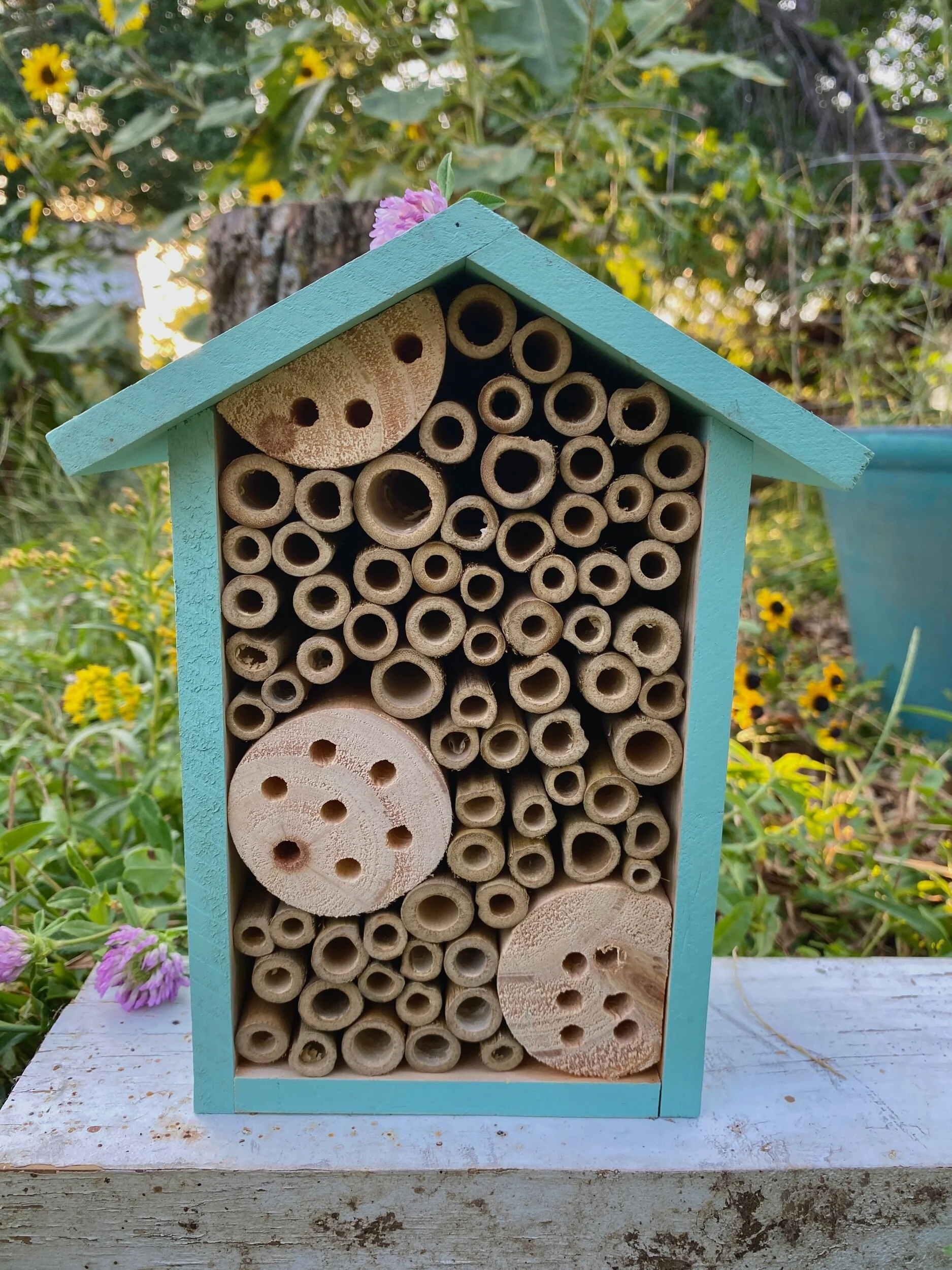
Provide Shelter
Tidy gardens lack shelter for pollinators.
Cleaning up after nature is an unnecessary and harmful habit we need to change.
According to the Xerces Society, 70% of native bees are ground nesting and 30% of native bees are cavity nesting. Therefore, allowing your yard to have bare patches of earth as well as leaving old limbs, logs, stems, reeds, and other standing dead plant material are important contributions you can make towards pollinator conservation.
Additionally, many moths, butterflies, and other wildlife over-winter in leaf piles so it’s always a good idea to leave your leaves on the ground until Winter is safely over. The vast majority of butterflies do not migrate!
Oklahoma is a state with freezing winters, therefore it’s crucial that our pollinators have protection from the cold.
Another thing to consider is that many butterflies and moths lay their eggs on dead leaves and some cocoons and chrysalises look exactly like the dead leaves they’re camouflaged among! Bagging up fallen leaves and sending them to the dump is not only unnecessary (leaves turn into soil anyways!), it’s a death sentence for some wildlife… including pollinators.
Insect hotels are a great option to consider for your yard. Just be sure to clean or replace them yearly to keep your insect friends healthy.
Let’s take steps towards working with nature, not against it!
Remove Invasive Non-Native Plants
Invasive Plants Are Problematic.
Not all non-native plants are invasive or problematic. The main problem with most non-natives is that they provide no real benefit for our native wildlife-including pollinators.
However, there are a few notable invasive species that are incredibly destructive to the native plants and wildflowers of Oklahoma that need particular attention.
Our native pollinators need our native plants and wildflowers and vice-versa. Choosing to landscape with invasive plants puts our native plants at risk of being crowded out by aggressive species such as the ones listed below.
Some invasive plants are known to actively escape into the wild destroying our precious ecosystem harmonies. For example, Bradford Pear trees will cross-pollinate with our native wild species creating aggressive hybrid species that can (and will) choke out many of our native pines, dogwoods, oaks, hickories, etc. We must be very careful to protect our natural ecosystems.
Remember that everything in nature is connected. What you plant can potentially have serious consequences.
If you have any of the following plants on your property please consider removing them as soon as possible.
Particularly Invasive Species to Avoid:
Japanese Honeysuckle
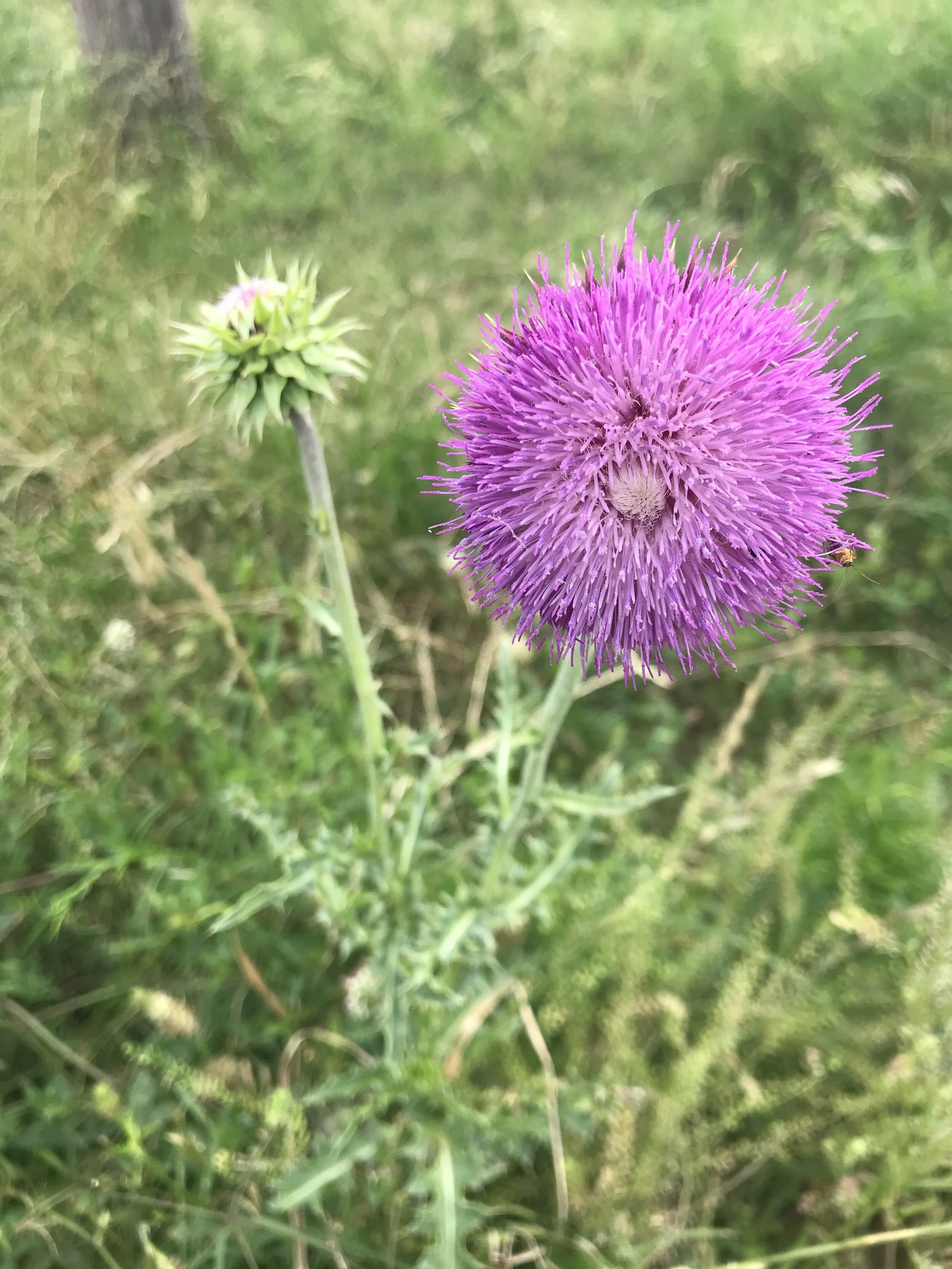
Musk Thistle
Kudza
Chinese Privet
Bradford Pear
Reduce Lawn Area
Typical lawns offer no benefit to pollinators, wildlife, or the environment. In fact, they’re harmful.
Lawns are terrible for the environment. Excessive water and pesticide/herbicide usage has a significant negative impact. They also equate to ecological monocultures that lack any real benefit to pollinators and wildlife. Any reduction in lawn space will be beneficial if replaced with environmentally friendly options such as these:
-Clover (Not native, but a significantly better choice than typical grass)
-Frogfruit
-Buffalograss
Creating additional native plant and wildflower areas is also a great way to carve away at your lawn space. And an amazingly beautiful thing about using native plants for your landscaping is that they’re proven to be adapted to our environment. They need much less maintenance as new additions and very little to no maintenance once established.
OKLAHOMA NATIVE PLANTS & WILDFLOWERS FOR POLLINATOR & WILDLIFE HABITAT CREATION
Spring Blooming Wildflowers
Butterflyweed (Asclepias tuberosa) Full Sun
Green Milkweed (Asclepias viridis) Sun
Spider Milkweed (Asclepias asperula) Full Sun
Texas Vervain (Verbena halei) Full Sun
Lemon Beebalm (Monarda citriodora) Full Sun
Indian Hemp (Apocynum cannabinum) Sun
Indian Blanket (Gaillardia pulchella) Full Sun
White Prairie Clover (Dalea candida) Full Sun
Wild Blue Phlox (Phlox divaricata) Part Shade
Spotted Beebalm (Monarda punctata) Full Sun
Roundhead Prairie Clover (Dalea multiflora) Full Sun
Sneezeweed (Helenium amarum) Part Shade
Summer Blooming Wildflowers
Leadplant (Amorpha canescens) Some Shade
Baldwin’s Ironweed (Vernonia baldwinii) Full Sun
Common Milkweed (Asclepias syriaca) Full Sun
Maximillion Sunflower (Helianthus maximilliani) Full Sun
Field Thistle (Cirsium discolor) Full Sun
American Star Thistle (Centaura americana) Part Shade
Dotted Blazing Star (Liatris punctata) Full Sun
Purple Prairie Clover (Dalea purpurea) Full Sun
Tall Thistle (Cirsium texanum)
Roundleaf Ragwort (Packera obovata) Part Shade
Leavenworth’s Eryngo (Eryngium leavenworthii) Part Shade
Joe Pye Weed (Eutrochium purpureum) Full Sun/Part Shade
Swamp Milkweed (Asclepias incarnata) Full Sun
Praire Blazing Star (Liatris pycnostachya) Full Sun
Sawtooth Sunflower (Helianthus grosseserratus) Full Sun
Stiff Sunflower (Helianthus pauciflorus) Full Sun
Blue Mistflower (Conoclinium coelestinum) Part Shade
Wild Blue Phlox (Phlox divaricata) Part Shade
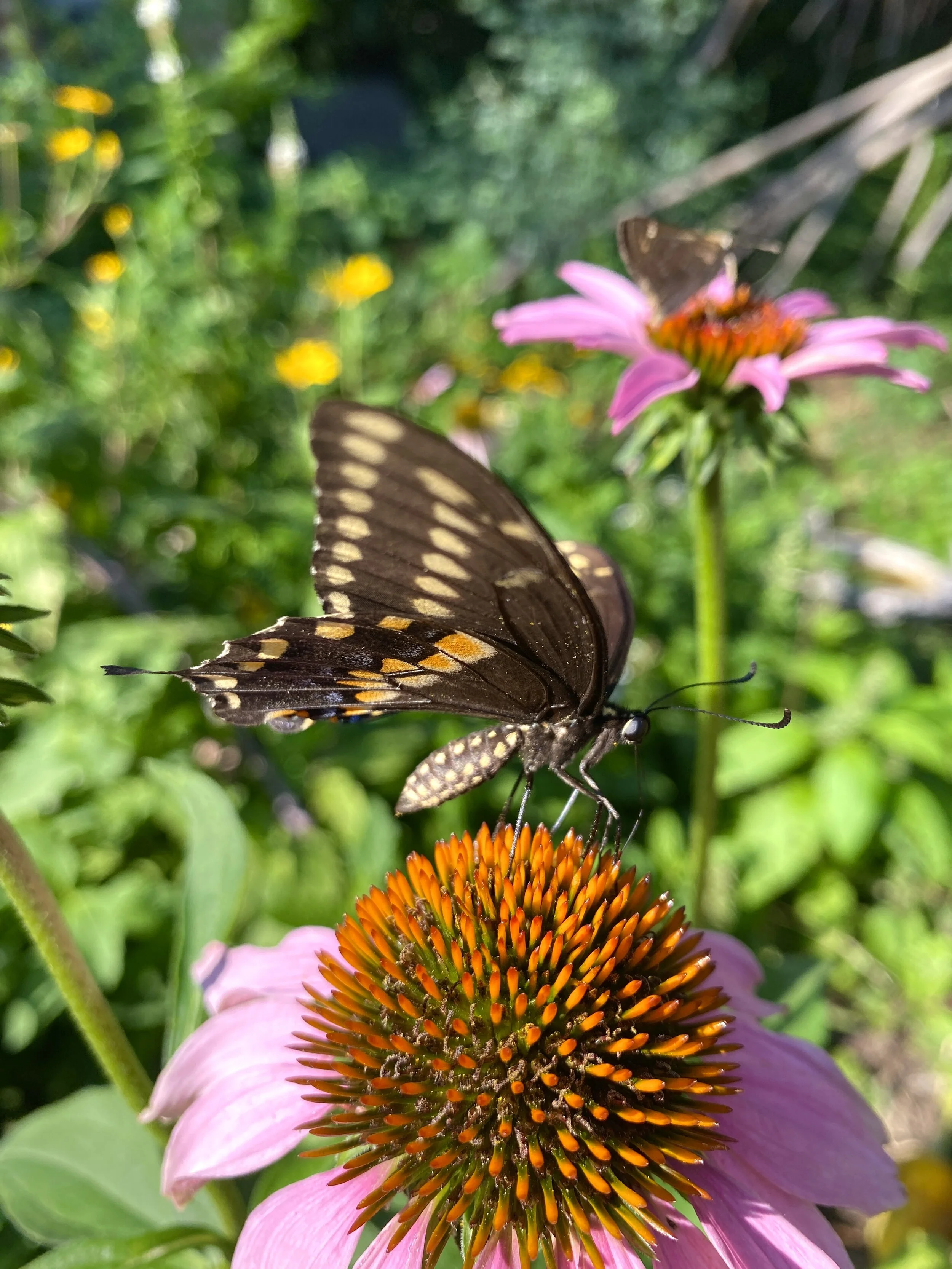
Pale Purple Coneflower (Echinacea pallida) Full Sun
Hoary Verbena (Verbena stricta) Full Sun
Jerusalem Artichoke (Helianthus tuberosus) Full Sun
Fall Blooming Wildflowers
Canada Goldenrod (Solidago altissima) Part Shade
Stiff Goldenrod (Oligoneuron rigidum) Full Sun
Gray Goldenrod (Solidago nemoralis) Part Shade
Willowleaf Aster (Symphyotrichum praealtum) Part Shade
Aromatic Aster (Symphyotrichum oblongifolium) Part Shade
Blue Sage (Salvia azurea) Part Shade
Spanish Gold (Grindelia papposa) Full Sun
Oklahoma Native Shrubs for Pollinator Habitat
Buttonbush (Cephalanthus occidentalis) Full Sun (moist areas only-ponds, bogs, streams, etc.)
American Beautyberry (Callicarpa americana) Full Sun/Part Shade
Winged Sumac (Rhus copallinum) Full Sun
Aromatic Sumac (Rhus aromatica) Part Shade
Elderberry (Sambucus canadensis) Part Shade
Wooly Rose Mallow (Hibiscus lasiocarpos) Full Sun
Common Ninebark (Physocarpus opulifolius) Part Shade
Spicebush (Liderna benzoin) Part Shade
Clove Currant (Ribes aureum) Part Shade
Roughleaf Dogwood (Cornus drummondii) Part Shade
Subshrubs
White Prairie Rose (Rosa foliolosa) Part Shade
Wild Bergamot (Monarda fistulosa) Part Shade
Oklahoma Native Trees for Habitat
Blackjack Oak (Quercus marilandica) Part Shade
Pin Oak (Quercus palustris) Full Sun
White Oak (Quercus alba) Full Sun
Mexican Plum (Prunus mexicana) Full Sun/Part Shade
Chickasaw/Sand Plum (Prunus angustifolia) Full Sun/Part Shade
Common Persimmon (Diospyros virginiana) Full Sun
Oklahoma Redbud (Cercis canadensis var. texensis) Part Shade
Paw Paw (Asimina triloba) Full Sun/Part Shade
Doug Tallamy’s Top 20 Trees & Shrubs for Wildlife
(Listed in order of the Number of Species supported)
Oak
Willow
Cherry
Pine
Poplar
Birch
Blueberry
Maple
Hickory
Crabapple
Elm
Alder
Basswood
Hawthorn
Blackberry
Chinkapin Oak
Spruce
Fir
Ash
Viburnum