Why We Reward Spectacle Over Substance: What social Media Teaches Us About Attention, Curiosity, & Wonder
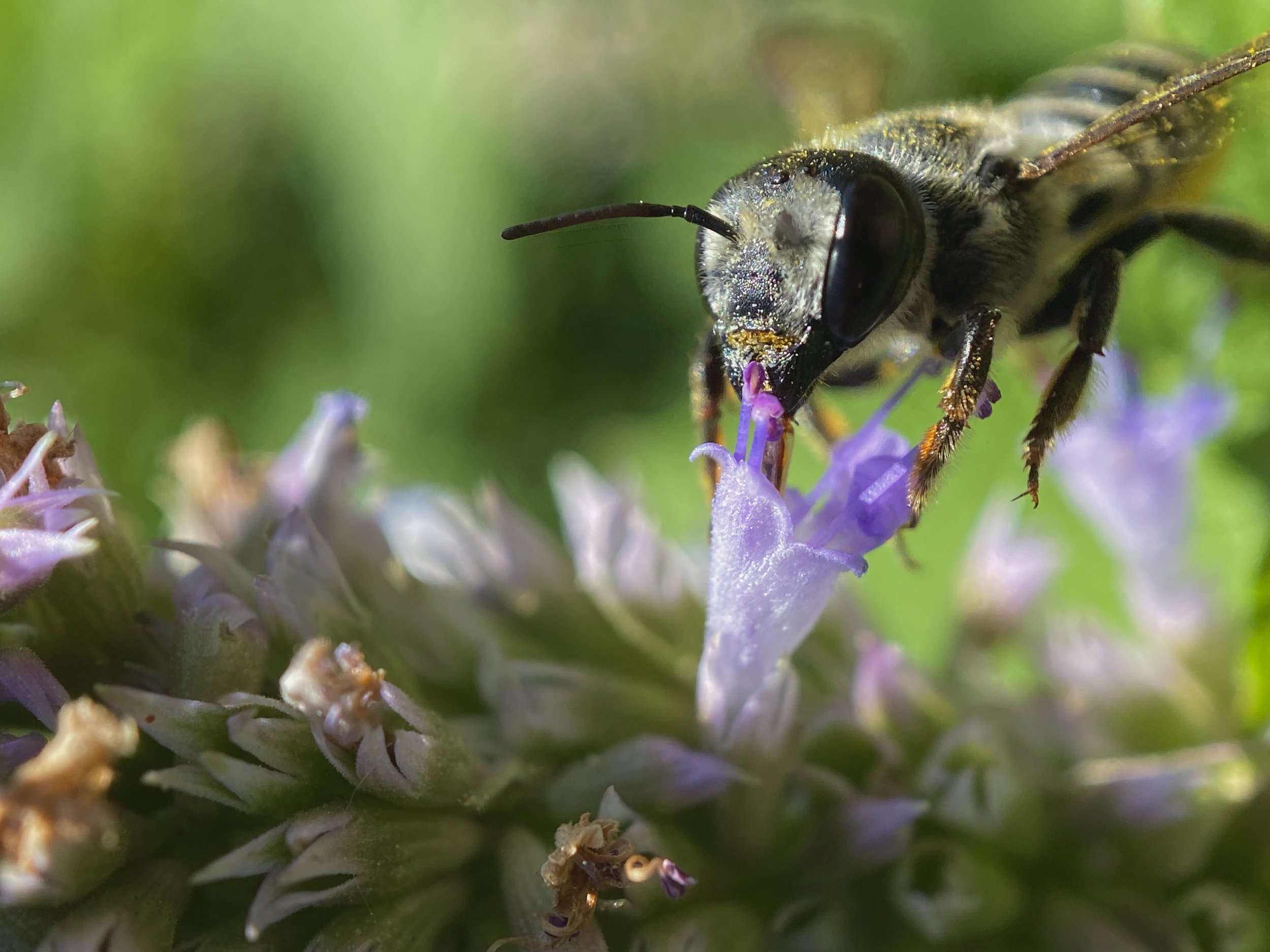
Leaf Cutter Bee
The internet has taught me something about us that I wish weren’t true.
I’ve spent years studying wildflowers, insects, wildlife, and the relationships that hold ecosystems together. I’ll spend an afternoon researching a single species, waiting for the right photograph, or choosing words to invite someone to see the world a little differently.
Sometimes those posts reach a few dozen people.
Then I’ll watch another post, one built almost entirely around appearance, spectacle, outrage, or instant gratification, spread like wildfire.
It would be easy to blame the algorithm.
But algorithms don’t invent our attention. They amplify it.
Every reaction, every share, every lingering glance teaches them what we are most likely to reward.
That realization has made me wonder what kind of cultural landscape we’re creating together.
There is nothing wrong with appreciating beauty. There is nothing wrong with enjoying humor, fashion, or photographs of attractive people. Those things have always been part of being human.
What concerns me is how easily substance is eclipsed by spectacle.
Curiosity, learning, and wonder ask something of us.
Those things are quieter than spectacle. They rarely compete on equal footing with content that can be understood in a heartbeat.
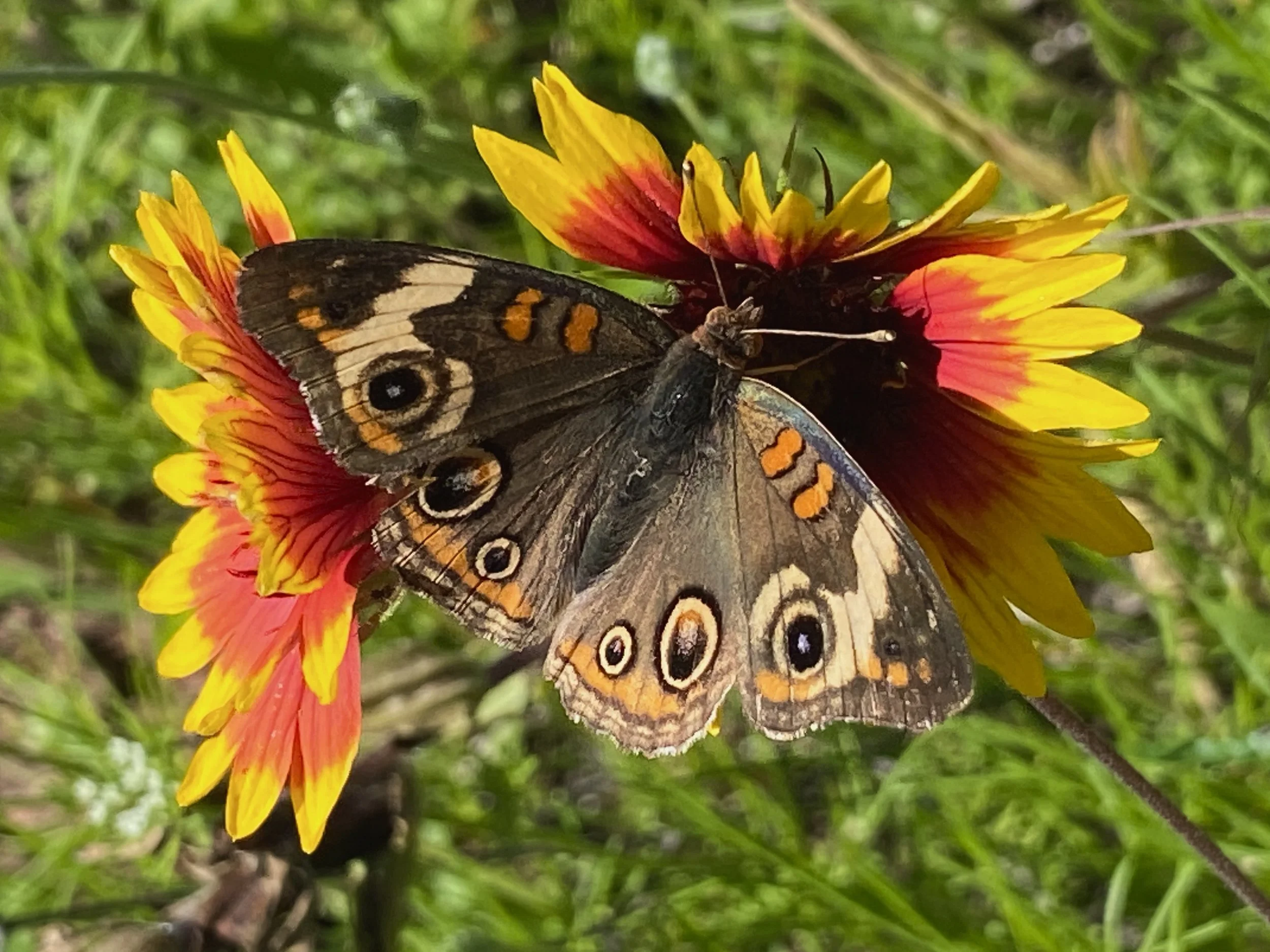
Common Buckeye Butterfly on Gaillardia
I sometimes imagine social media as a vast garden.
The plants that receive the most water grow the tallest. Others struggle quietly beneath their shade.
Attention works the same way.
What we consistently reward becomes more common.
What we ignore slowly disappears.
If thoughtful conversations, careful craftsmanship, scientific curiosity, and genuine learning receive only a fraction of our attention, we shouldn’t be surprised when fewer people invest their lives creating them.
The tragedy isn’t that thoughtful voices disappear.
It’s that many people never discover how rewarding they can be.
Nature has taught me that the richest things in life are almost never the loudest.
They simply wait for someone willing to look closely.
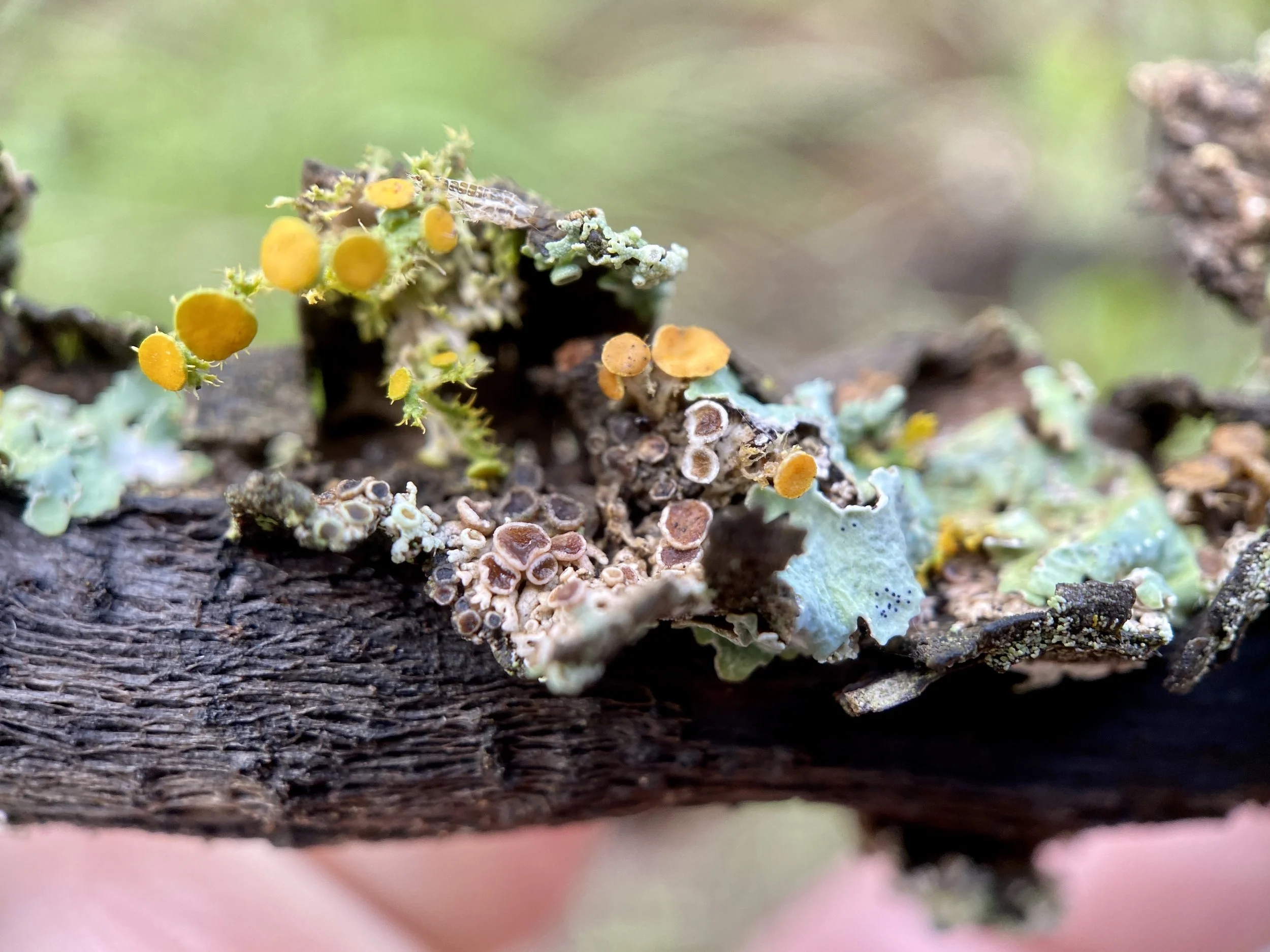
Lichen and moss on tree branch
I’ve begun to think that wisdom works the same way.
It rarely chases us.
It waits.
Perhaps that is why I continue writing, even when an article reaches fewer people than a thirst trap designed to stop a scrolling thumb.
Because I still believe there are people who hunger for something deeper.
People who would rather understand why native plants matter than consume another passing distraction.
People who find satisfaction in learning the name of a beetle, the call of a bird, or the invisible relationships that keep an ecosystem alive.
Those people are quieter.
But they are not absent.
Maybe we don’t need more content.
Maybe we need more curiosity.
More patience.
More people willing to reward the work that asks us to think instead of merely react.
Attention is one of the few resources we all possess in equal measure.
Where we choose to place it shapes not only our feeds, but our culture.
So before we scroll past the next thoughtful essay, the careful photograph, the scientific discovery, or the person sharing something they’ve spent years learning, perhaps it’s worth pausing for just a moment.
The world becomes what we learn to notice.
And what we choose to notice becomes the world we create.
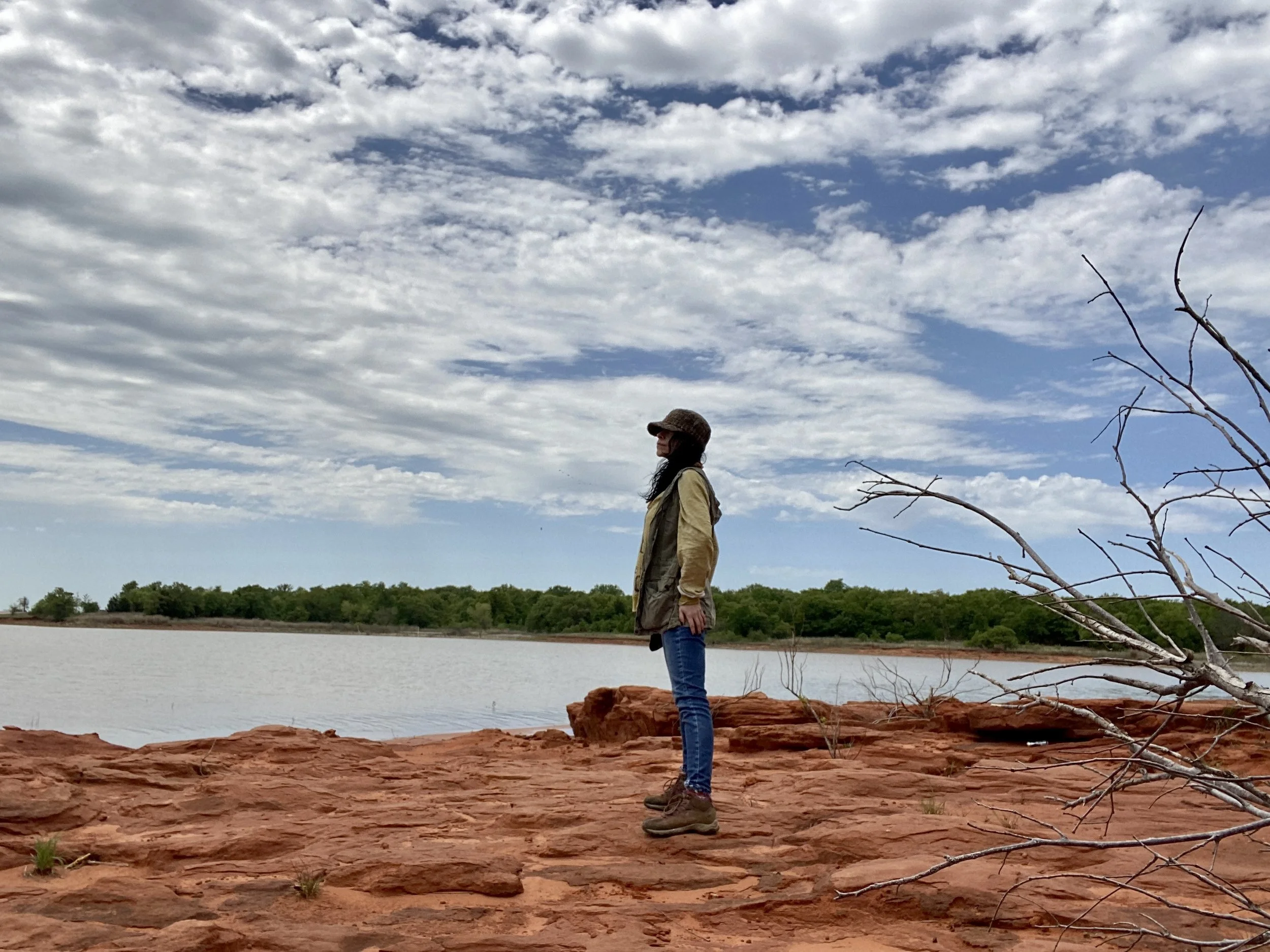
Lake Stanley Draper, Oklahoma
