The Cost of Living Indoors
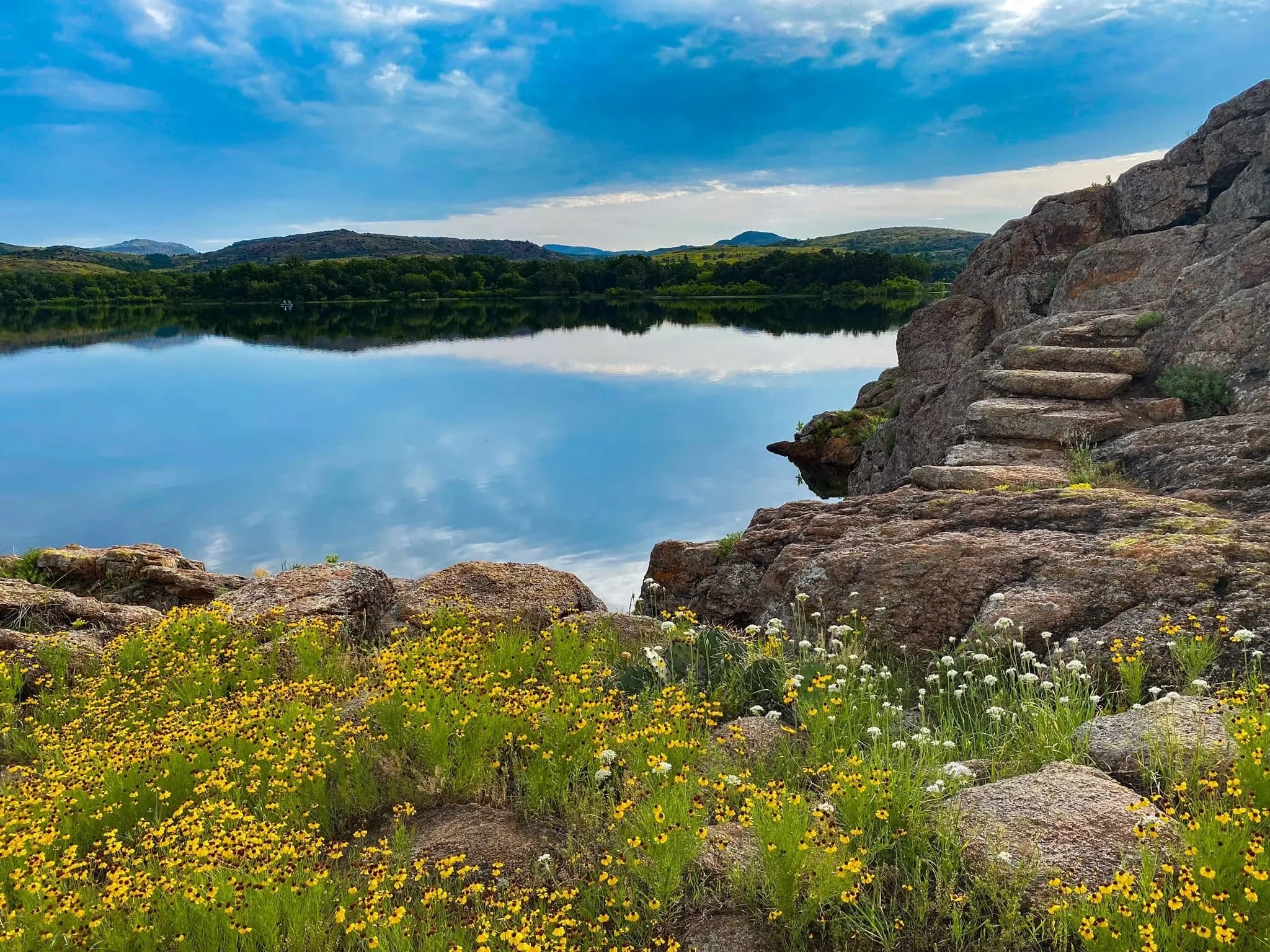
Wichita Mountain Wildlife Refuge • Lawton, Oklahoma
“Look deep into nature, and then you will understand everything better.”
— Albert Einstein
Most of us live our lives beneath ceilings.
We wake indoors. We work indoors. We eat indoors. We exercise indoors. We entertain ourselves indoors. We move from house to car to office to store and back again, often spending entire days without feeling the sun on our skin or the wind on our face.
According to the U.S. Environmental Protection Agency, Americans spend approximately 90% of their time indoors. Indoor air can even contain higher concentrations of certain pollutants than outdoor air. (US EPA)
In many ways, modern life has become a grand experiment. Never before in human history have so many people spent so little time in direct contact with the natural world.
We are only beginning to understand what that experiment may be costing us.
The Physical Cost
Our bodies were shaped by millions of years spent outdoors.
Human eyes evolved to scan distant horizons. Our circadian rhythms developed in response to changing sunlight. Our muscles and joints were built for uneven ground, not endless hours in chairs. Even our immune systems appear to benefit from contact with diverse natural environments.
Research consistently finds that time spent in natural settings is associated with better physical health, including healthier blood pressure, improved sleep, increased physical activity, and reduced stress-related inflammation. (PubMed)
One large study of nearly 20,000 people found that spending at least 120 minutes per week in nature was associated with significantly better health and well-being. Interestingly, the benefits appeared whether those two hours occurred all at once or were spread throughout the week. (Nature)
Nature is not a luxury for the body.
It is part of the environment our bodies expect.
The Mental Cost
The modern mind lives under constant demand.
Notifications, emails, advertisements, deadlines, screens, headlines, and endless streams of information compete for our attention every waking hour.
Psychologists have long studied something called Attention Restoration Theory. The idea is simple: natural environments engage our attention gently rather than forcefully. Instead of demanding focus, they invite it. This allows the brain’s directed attention systems to recover from mental fatigue. (PubMed)
Anyone who has stared at a creek for ten minutes and felt their thoughts settle already knows this intuitively.
Research suggests that even brief encounters with nature can improve mood, reduce stress, and support concentration. Some studies have found measurable reductions in stress hormones following time outdoors. A 2025 meta-analysis reported an average 21% decrease in salivary cortisol following nature exposure. (Canadian Psych Association)
Perhaps this is why so many people report feeling clearer after a walk beneath trees than after an hour scrolling a screen.
Nature asks nothing of us except our presence.
The Spiritual Cost
The spiritual cost is harder to measure.
No laboratory instrument can quantify wonder.
There is no blood test for awe.
Yet many people sense that something essential is missing when life becomes disconnected from the living world.
When we rarely witness a sunrise, notice the changing phases of the moon, hear migrating birds overhead, or watch wildflowers emerge from seemingly lifeless soil, it becomes easy to forget that we belong to a much larger story.
Nature offers perspective.
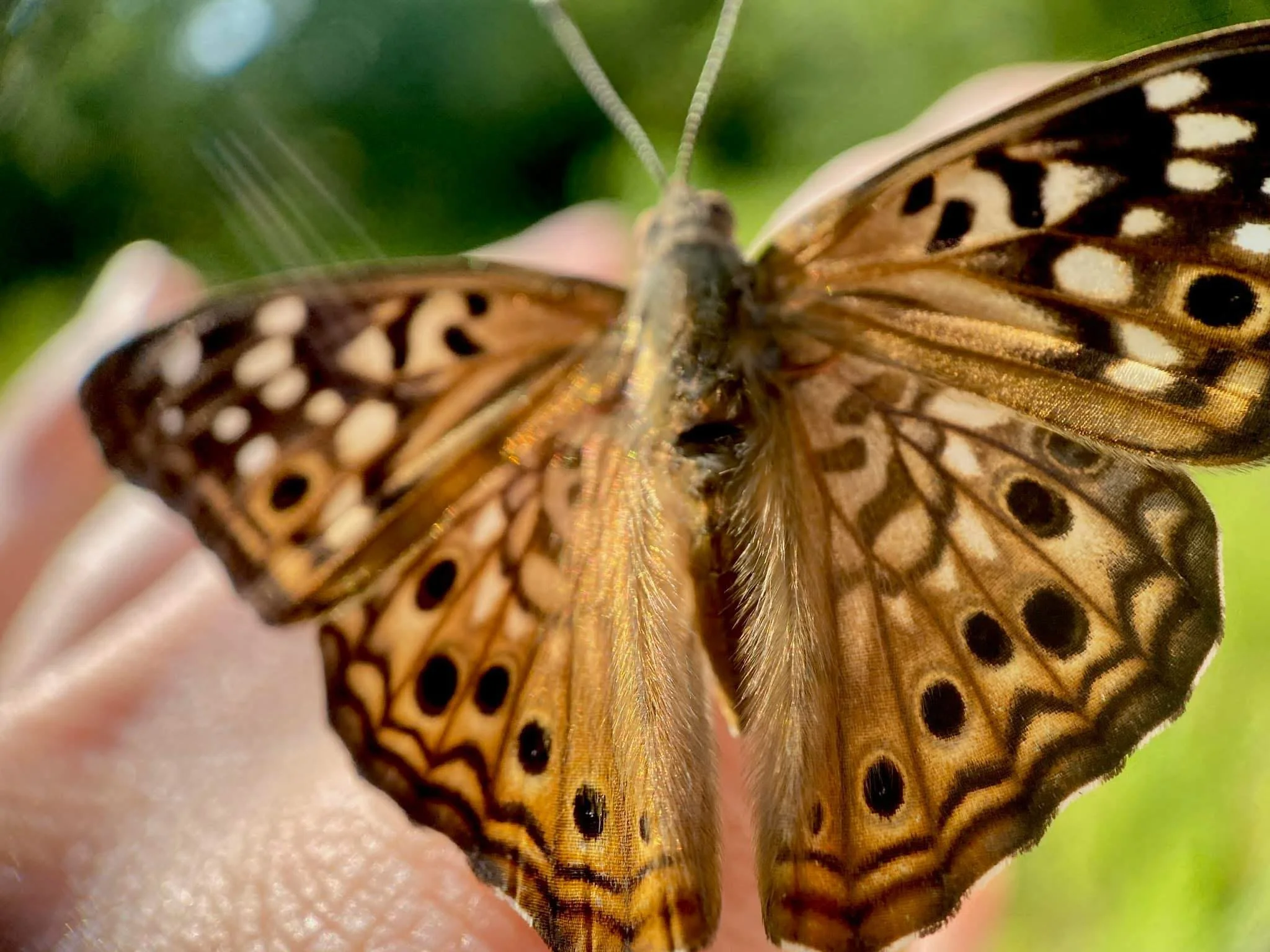
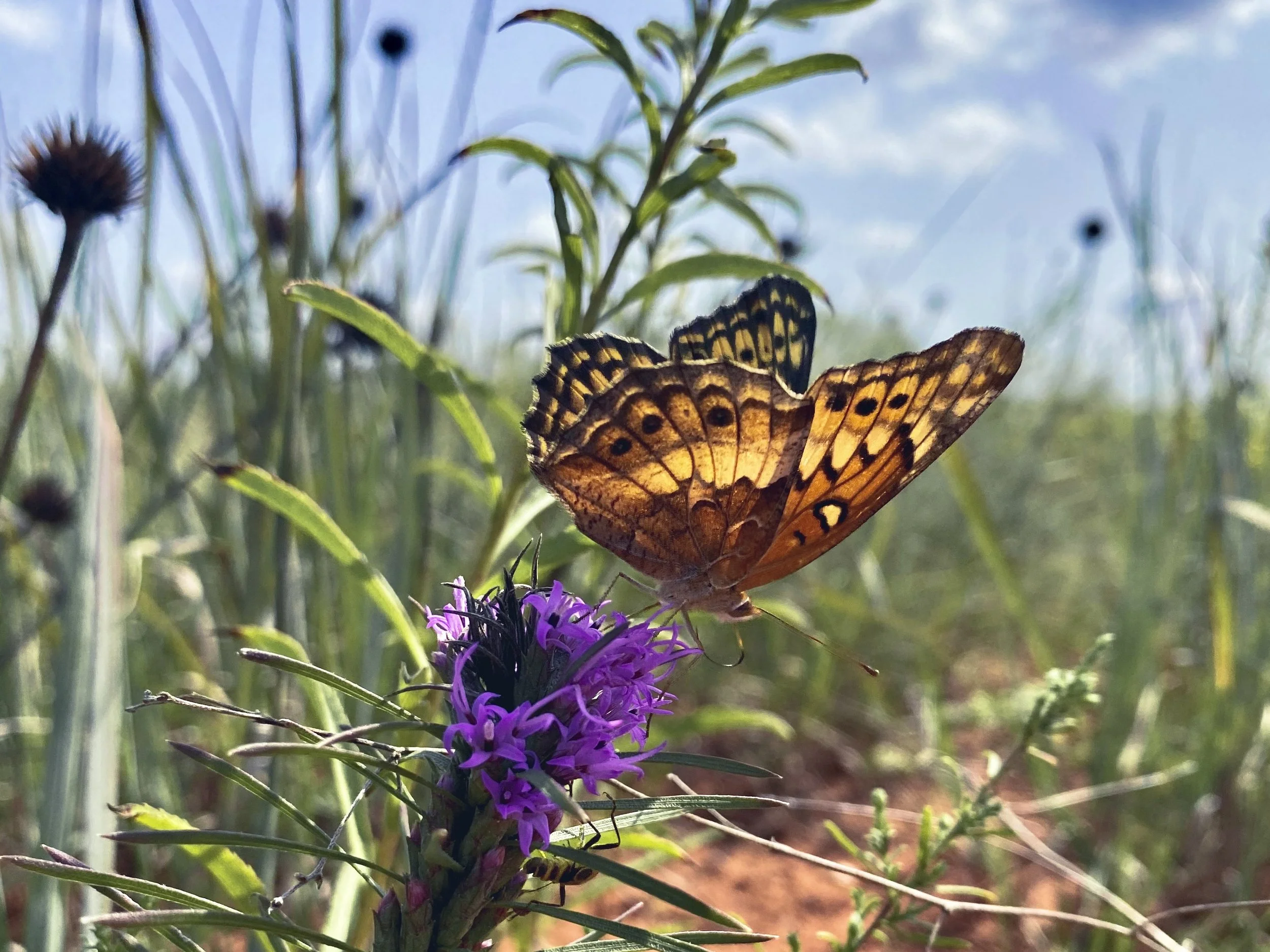
A monarch butterfly does not care about our inbox.
An ancient oak tree is unimpressed by our deadlines.
A prairie in bloom reminds us that beauty can arise from patience, cooperation, and cycles far older than ourselves.
Many traditions throughout human history have understood this instinctively. Forests, mountains, rivers, and gardens have long served as places of prayer, reflection, healing, and revelation.
Perhaps that is because nature invites us into a relationship rather than a transaction.
We stop being consumers for a moment.
We become participants.
Returning to the Living World
The solution is not to abandon modern life.
Most of us are not moving into cabins in the wilderness.
But we can begin restoring our relationship with the living world through small acts of attention.
Sit beneath a tree.
Watch the clouds.
Plant native flowers.
Learn the names of the birds that visit your yard.
Walk slowly enough to notice what is blooming.
Listen for frogs after a rainstorm.
The science suggests these moments benefit our minds and bodies. (Nature)
The deeper truth may be that they nourish something even harder to measure.
Not productivity.
Not performance.
Belonging.
We are not separate from nature.
We are nature, remembering itself.