Nature Connection In A Modern World
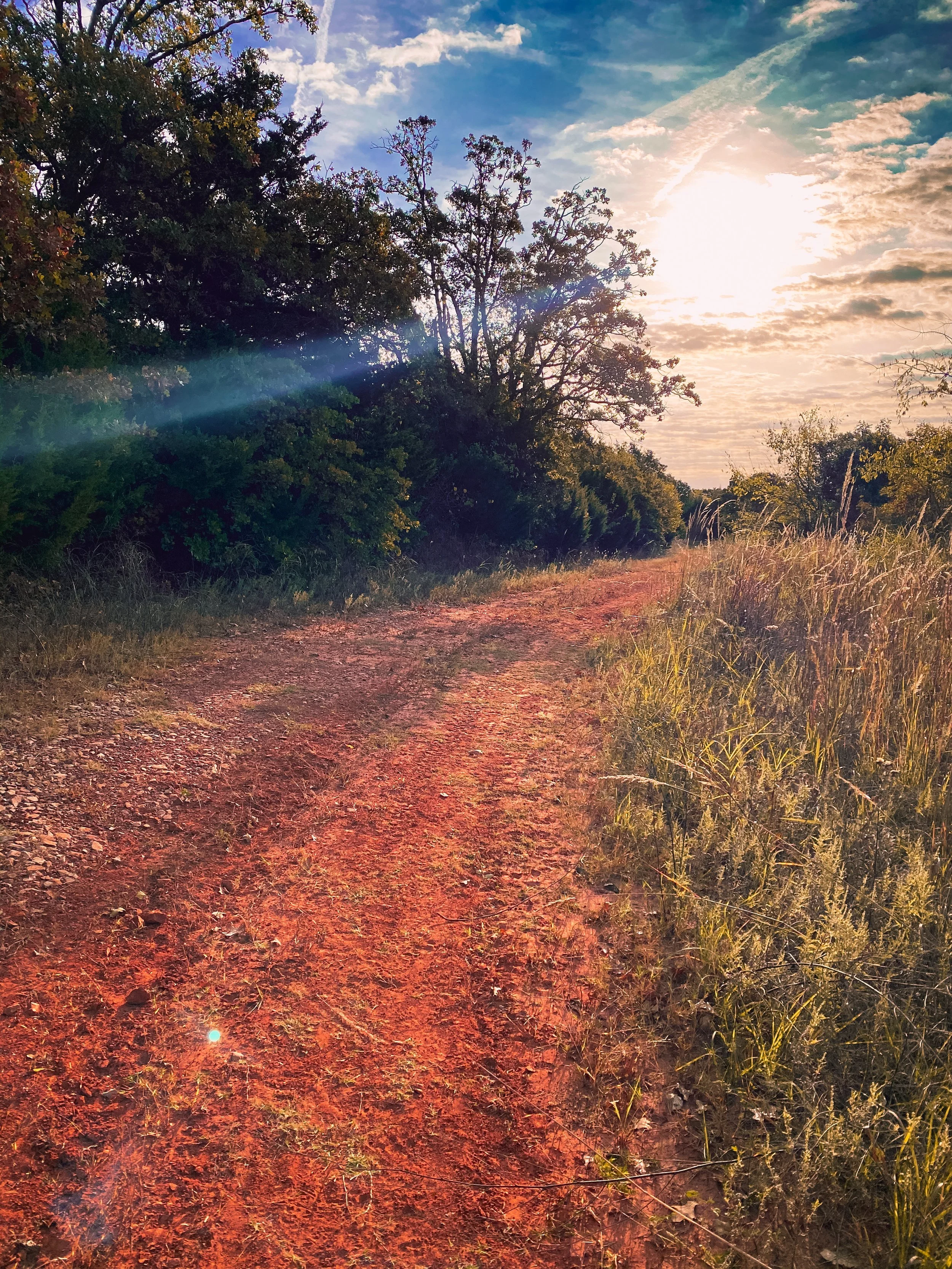
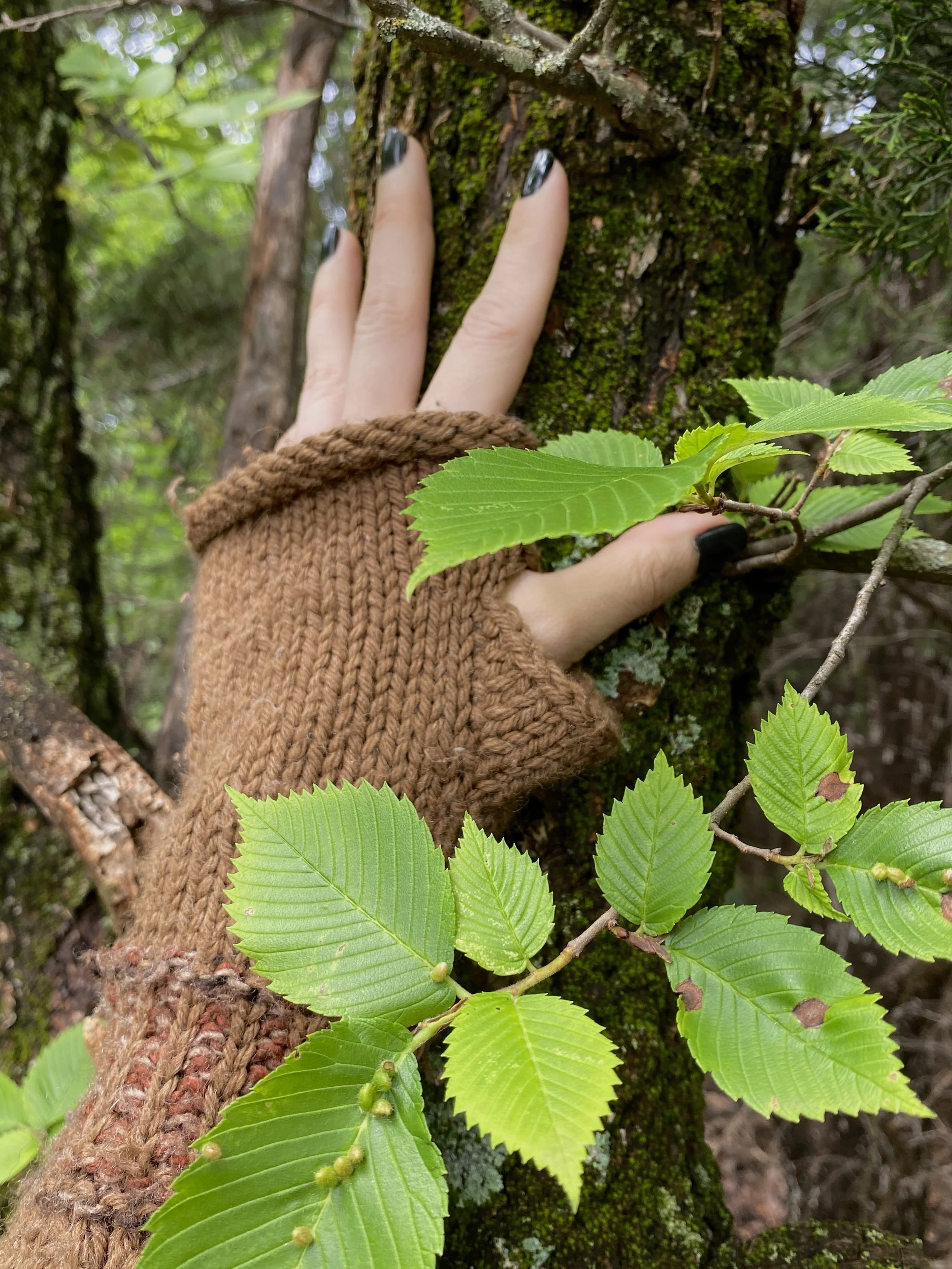
Research continues to affirm what many of us feel intuitively: time in nature reduces stress, regulates the nervous system, improves attention, and strengthens mental health. Exposure to green space lowers cortisol levels, supports immune function, and fosters social connection. But beyond the measurable benefits, there is something harder to quantify… a felt sense of relationship and belonging.
When we know the names of plants.
When we notice migration patterns.
When we anticipate the first spring bloom.
When we recognize the call of a meadowlark.
We are no longer passive inhabitants of a landscape. We become participants in it.
We belong in relationship with the living world.
We Are ConnecteD
A Shared Well-Being
Human well-being and ecological well-being are not separate conversations. A degraded environment erodes mental and physical health. A thriving landscape supports both biodiversity and community resilience. To strengthen our relationship with the land is to strengthen ourselves.
Nature connection is not about grand gestures. It begins with attention. With walking slowly. With learning one plant. With sitting under open sky. With noticing how your body feels when wind moves through grass.
We belong in relationship with the living world. And that relationship is vital.
Nature Connection Practices:
1. Sit-Spot Meditation
Choose one outdoor location and return to it regularly. A backyard corner. A park bench. A patch of prairie. Sit quietly for 15–20 minutes.
Notice:
• What moves
• What makes sound
• What changes week to week
• What returns seasonally
Over time, patterns reveal themselves. You begin to feel less like a visitor and more like a participant.
This builds:
• Attention
• Belonging
• Seasonal awareness
• Nervous system regulation
2. Learn The Names
Choose one plant, bird, or insect per week.
Learn:
• Its name
• Its role in the ecosystem
• When it blooms or migrates
• What depends on it
Naming shifts relationship. The landscape stops being a “green blur” and becomes community.
3. The 5-4-3-2-1 Grounding in Nature
Adapted from therapy grounding exercises:
• 5 things you see
• 4 things you hear
• 3 things you feel (wind, sun, texture)
• 2 things you smell
• 1 thing you are grateful for
This is especially powerful for anxiety or chronic illness overwhelm.
4. Seasonal Body Check-in
While outside, ask:
• What season is the land in?
• What season am I in?
• Am I in growth, dormancy, depletion, restoration?
This builds self-compassion through ecological metaphor
5. Phone-Free Walk
Walk without headphones or photography for 20 minutes.
Just notice:
• Edges
• Movement
• Bird calls
• Light shifts
Attention is a form of devotion.
6. Micro-Observation Practice
Choose one square foot of land.
Observe it for 10 minutes.
Look for:
• Insects
• Fungal threads
• Soil texture
• Seed structures
• Tiny interactions
This builds ecological humility.
7. Reciprocity Practice
Before leaving a natural space, ask:
• What did I receive here?
• What can I give back?
This could be:
• Picking up trash
• Planting natives
• Supporting conservation
• Speaking up about habitat
Relationship is reciprocal.
8. Nature Journaling
Simple prompts:
• What surprised me today?
• What felt resilient?
• What looked tired?
• What did the wind teach?
This merges inner ecology and outer ecology.
9. Slow Restoration Days
For those with chronic illness:
• Sit instead of hike
• Observe instead of photograph
• Shade instead of sun
• Short duration instead of long
Connection does not require intensity.
This is important for your audience.
If this work matters to you, please consider supporting it.