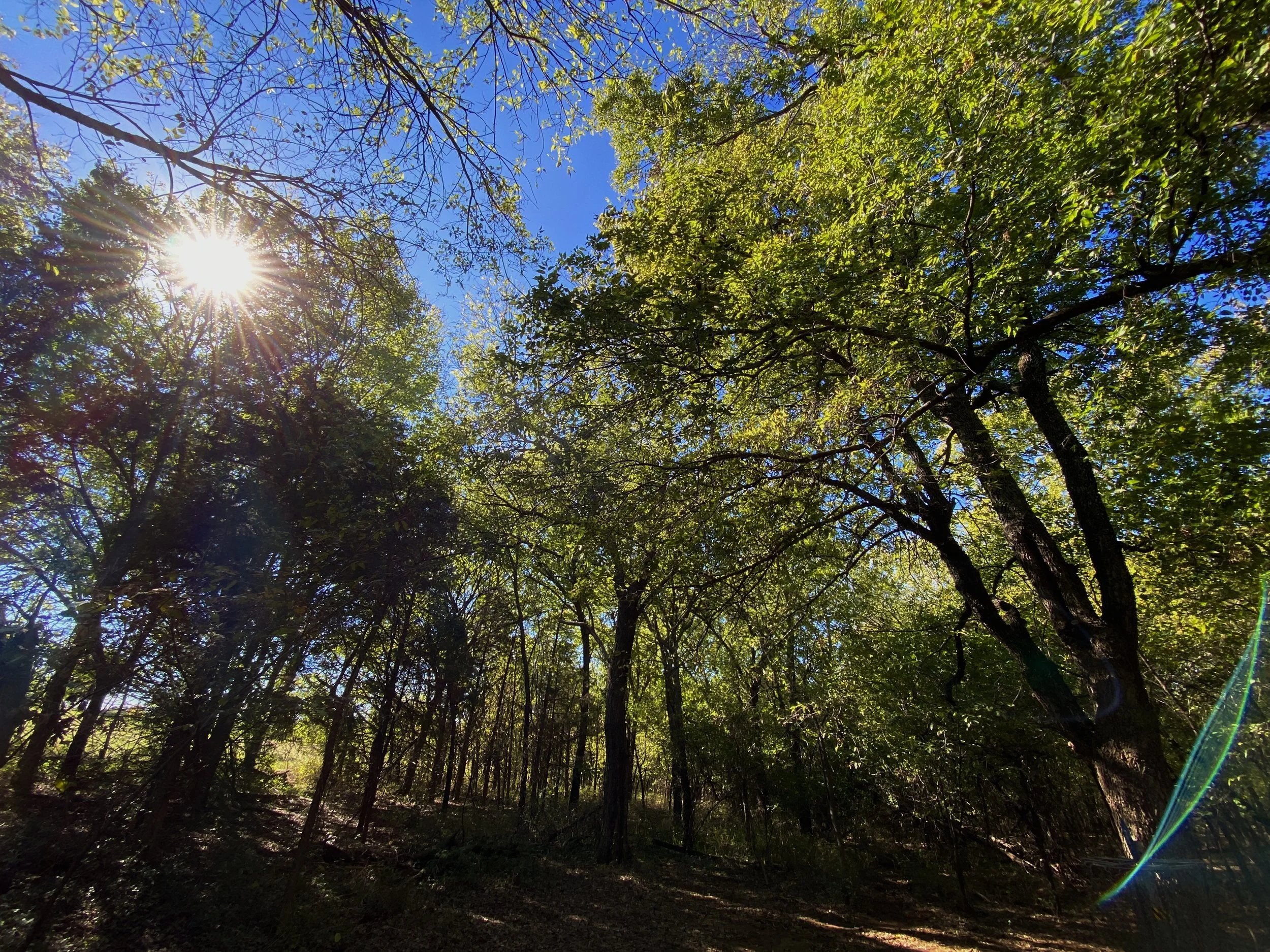
It’s November in Oklahoma, but much of the landscape still looks like late summer.
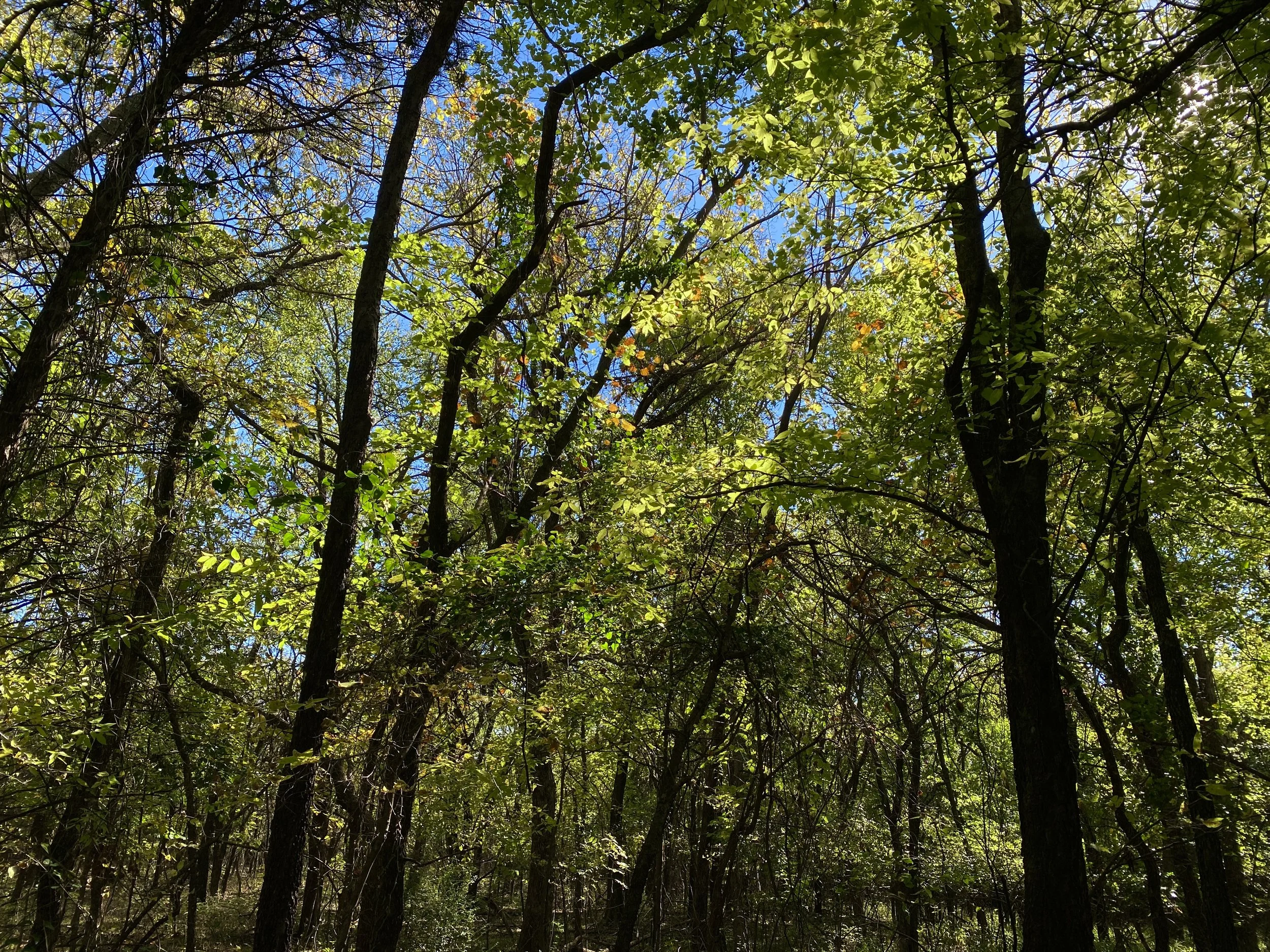
On my morning walks, I’ve been noticing how many trees are still full and green. There are patches of fall color here and there, but the familiar and lovely golds, oranges, and reds seem slow to arrive. Even more surprising, I’ve been finding wildflowers still blooming and trees producing blossoms that we normally associate with spring.
It’s an unusual combination… summer is lingering, and in some places spring seems to be making an unexpected second appearance.
If you’ve noticed these things too, you’re not imagining them! Oklahoma has experienced an exceptionally warm fall, and the plants around us are responding.
A Fall for the Record Books
Oklahoma’s fall has been unusually warm this year.
According to the Oklahoma Mesonet, September 2026 was the warmest September in the state’s recorded history, with statewide temperatures averaging 9.7°F above normal.
October continued the trend, averaging 67°F statewide, approximately 5.7 degrees above normal. Together, September and October made up the warmest September–October period in Oklahoma’s recorded history.
That’s quite a departure from the temperatures our native plants typically experience as summer gives way to fall.
While the calendar tells us winter is approaching, plants respond to environmental signals such as temperature, moisture, and changing daylight hours. When those signals don’t arrive in their usual combination, the timing of seasonal events can shift.
How Trees Know When It’s Fall
The changing colors of autumn are part of a remarkable biological process.
Throughout spring and summer, trees produce chlorophyll, the green pigment that allows their leaves to capture sunlight for photosynthesis.
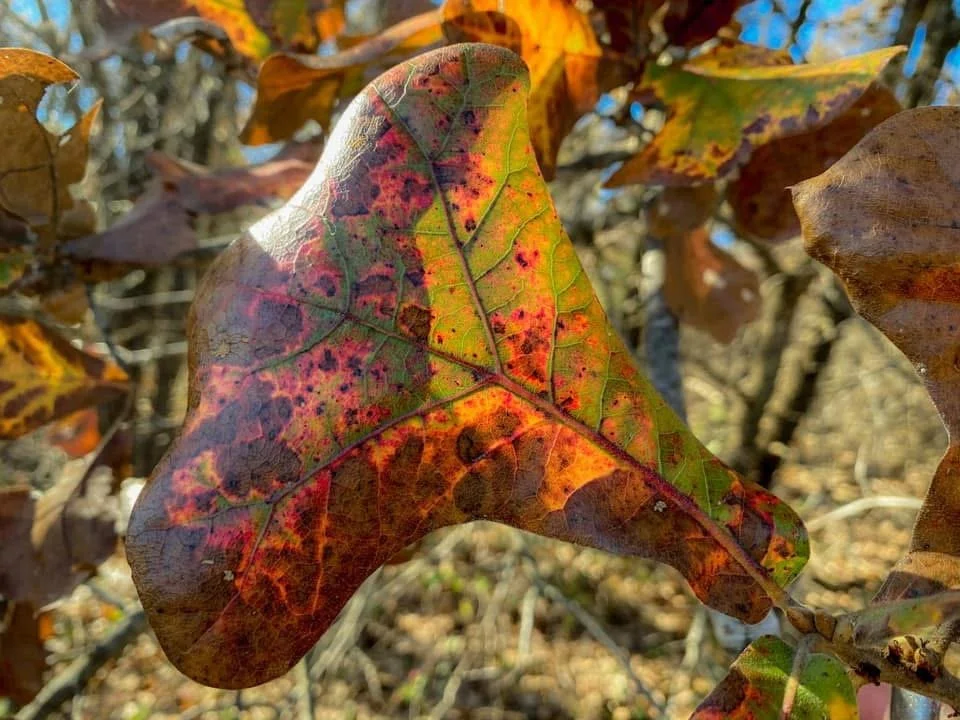
As daylight hours shorten in autumn, deciduous trees begin preparing for winter dormancy. Chlorophyll production slows, and the green pigment gradually breaks down, revealing the yellow and orange pigments that were present in the leaves all along.
In some species, red and purple pigments called anthocyanins are produced during this transition.
Before shedding their leaves, trees also recover valuable nutrients, storing them in their branches, trunks, and roots for future use. Eventually, a protective layer of cells forms where each leaf attaches to its branch, allowing the leaf to separate and fall.
Day length is one of the most reliable signals that winter is approaching, but temperature plays an important role in how quickly these changes unfold.
Cool autumn nights often encourage brilliant fall color. When temperatures remain unusually warm, the breakdown of chlorophyll and the progression toward dormancy can be delayed in some species.
Contrary to popular belief, trees don’t need a frost to change color. In fact, sunny days and cool, nonfreezing nights often produce some of the most vibrant autumn displays.
This helps explain why so many Oklahoma trees are still holding green leaves well into November.
When Fall Starts Looking Like Spring
Perhaps even more interesting than the lingering green foliage are the flowers.
I’ve been seeing wildflowers still blooming and trees producing fresh blossoms.
Plants have different strategies for responding to seasonal conditions. Some wildflowers naturally bloom over long periods, particularly when temperatures remain mild and sufficient moisture is available.
Others have more specific flowering schedules.
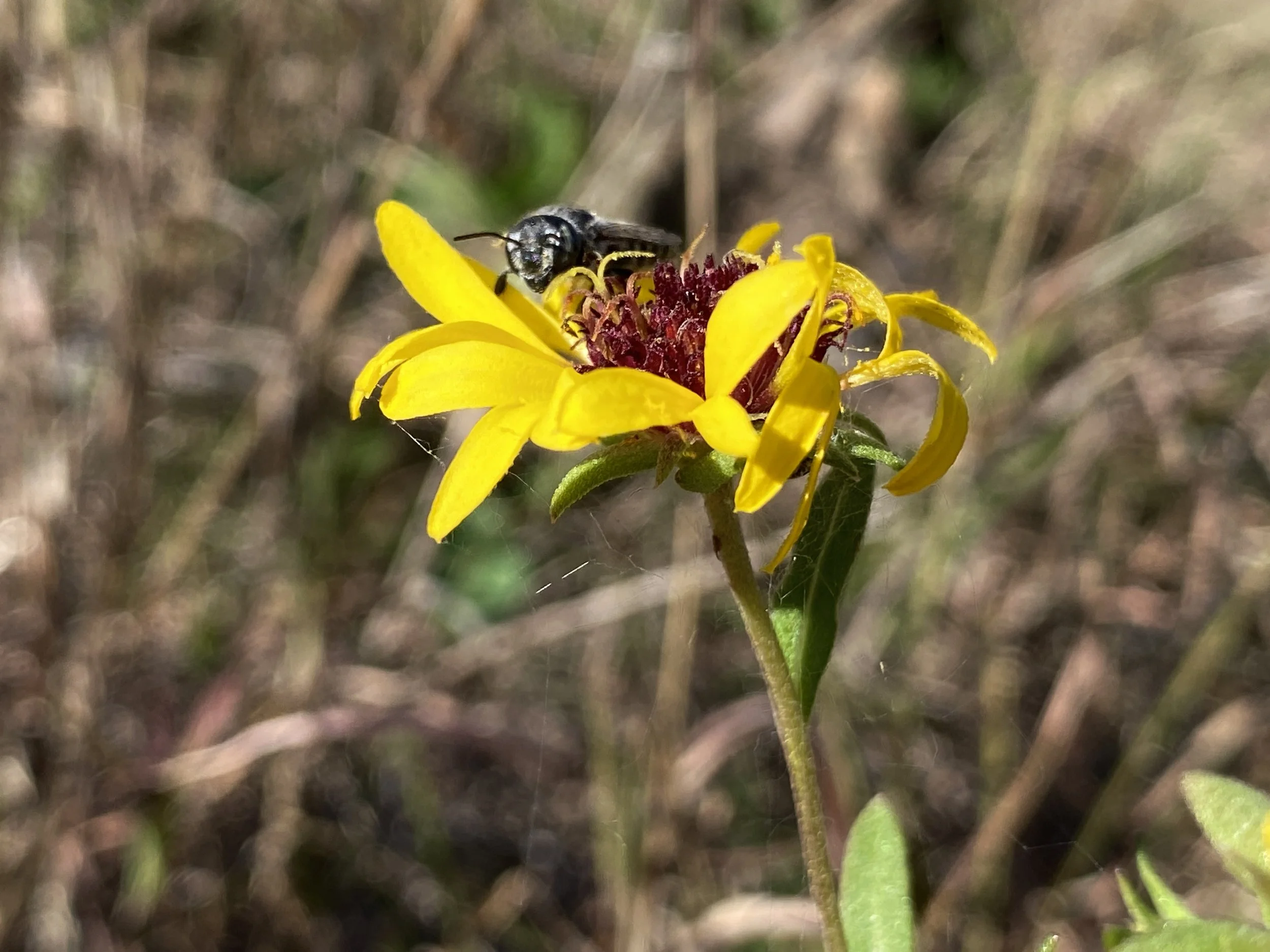
For example, Oklahoma’s native Indian blanket and blue sage can continue flowering into autumn under favorable conditions. Finding these species in bloom during November isn’t necessarily unusual, although an exceptionally warm season may allow flowering to continue longer than it otherwise would.
Spring-flowering trees are another matter.
Many trees, including pears, redbuds, and some ornamental species, develop their flower buds during the previous growing season. Those buds normally remain dormant until spring.
However, periods of environmental stress, particularly drought and intense summer heat, followed by renewed moisture and warm temperatures, can sometimes trigger a second flowering period.
This is known as out-of-season blooming or autumn reblooming.
The tree hasn’t necessarily entered a completely new growing season. Instead, some of its already-formed flower buds have opened earlier than they normally would.
These blossoms can be beautiful, but they may come at a cost. Buds that open in fall generally won’t be available for the following spring, potentially reducing the next season’s floral display.
Tender new growth may also be vulnerable when freezing temperatures eventually arrive.
Occasional fall reblooming isn’t unheard of, and it doesn’t automatically indicate that a plant is unhealthy. But when unusual flowering occurs alongside record warmth and delayed autumn foliage, it’s worth paying attention.
The Role of Drought and Autumn Rain
Temperature isn’t the only influence on Oklahoma’s changing seasons.
Much of the state experienced drought conditions during late summer and early autumn, followed by periods of welcome rainfall.
This combination can affect plants in several ways.
Prolonged heat and drought place trees and wildflowers under stress. Some plants respond by slowing growth, entering a period of reduced activity, or shedding leaves prematurely.
When rainfall returns and temperatures remain warm, certain species may resume growth or produce another flush of flowers.
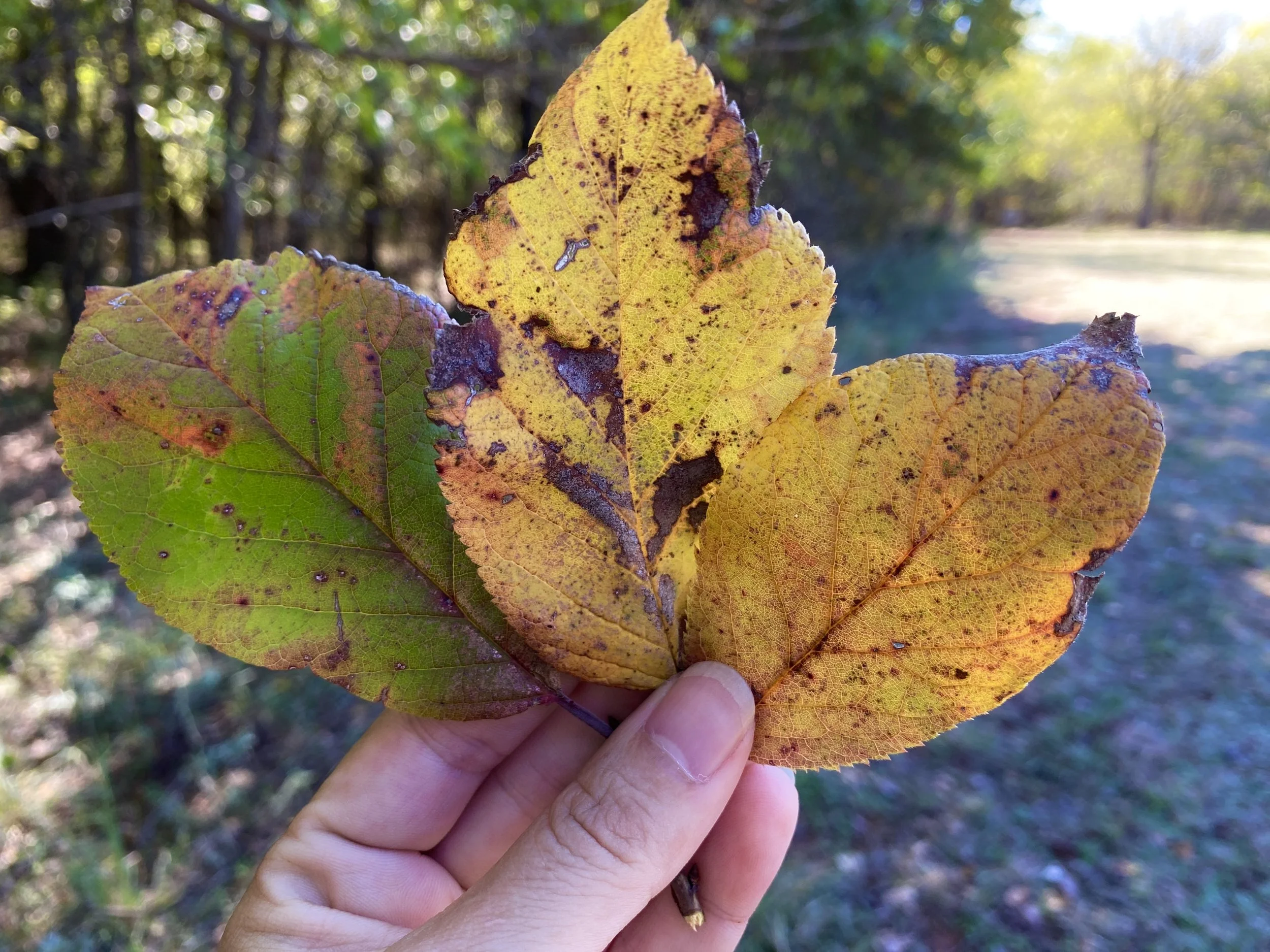
Drought can also influence autumn color. Water-stressed trees may develop duller colors, brown prematurely, or lose leaves before their usual autumn display.
The effects vary by species, soil conditions, and the severity and timing of the drought.
This is one reason the landscape can look so uneven. One tree may be completely green while another nearby is already bare.
Oklahoma’s native oaks, elms, cottonwoods, and other deciduous trees don’t all respond to seasonal conditions in the same way. Each has its own biological schedule, shaped by both genetics and the environment.
Are Our Seasons Changing?
One unusually warm fall doesn’t tell us everything about climate change. Weather varies naturally from year to year, and Oklahoma has always experienced considerable seasonal variability.
But individual weather events occur within a larger climate system, and that system is warming.
Scientists have documented changes in the timing of seasonal biological events, including spring leaf emergence, flowering, migration, and autumn leaf coloration.
The study of these recurring events is called phenology.
Phenology helps scientists understand how plants and animals respond to seasonal changes and how those responses may be shifting as temperatures rise.
Warmer spring temperatures can encourage some plants to leaf out and flower earlier. Warmer autumn temperatures can delay leaf coloration and leaf drop in certain species, potentially extending the period during which leaves remain on trees.
However, these responses aren’t universal. Some species are more strongly influenced by daylight, others by temperature, and still others by moisture or the accumulation of winter chilling.
A longer period of green foliage also doesn’t necessarily mean trees are growing or photosynthesizing at their summer rates.
What matters is that the seasonal conditions plants have evolved to respond to are changing, sometimes in ways that affect the timing of important biological events.
And plants aren’t the only organisms affected.
Why Seasonal Timing Matters for Wildlife
The changing seasons help coordinate life across entire ecosystems.
Plants, insects, birds, and other wildlife have evolved seasonal patterns that often depend on one another.
Many insects time their emergence and reproduction around the availability of particular host plants or flowers. Migrating birds rely on seasonal food resources. Mammals prepare for winter as temperatures cool and food availability changes.
These relationships can be remarkably precise.
When temperatures shift, different organisms don’t necessarily respond at the same rate.
A plant may flower earlier than usual, while its specialist pollinator remains on a different seasonal schedule. An insect may emerge before its host plant has produced the leaves it needs. Migrating birds may arrive when the abundance of their usual food sources has already peaked.
Scientists call these disruptions phenological mismatches.
Not every shift results in a mismatch, and some species are more adaptable than others. But changes in seasonal timing can have consequences that extend well beyond an individual plant or animal.
Late-season flowers, for example, may provide valuable nectar and pollen for insects still active during warm autumn weather. But their ecological value depends on which insects are present and whether those flowers provide the resources they need.
Similarly, delayed leaf drop may influence the timing of leaf litter entering the soil, where fallen leaves provide habitat and nutrients for countless organisms.
Beneath those leaves, insects and other small creatures find shelter from winter weather. Fungi and microorganisms gradually break down the organic material, returning nutrients to the soil and supporting the next generation of plant growth.
These processes are part of a much larger web of relationships.
Learning to Notice the Changes
One of the simplest and most valuable things we can do as naturalists is pay attention.
We don’t need specialized equipment or scientific training to begin observing seasonal patterns.
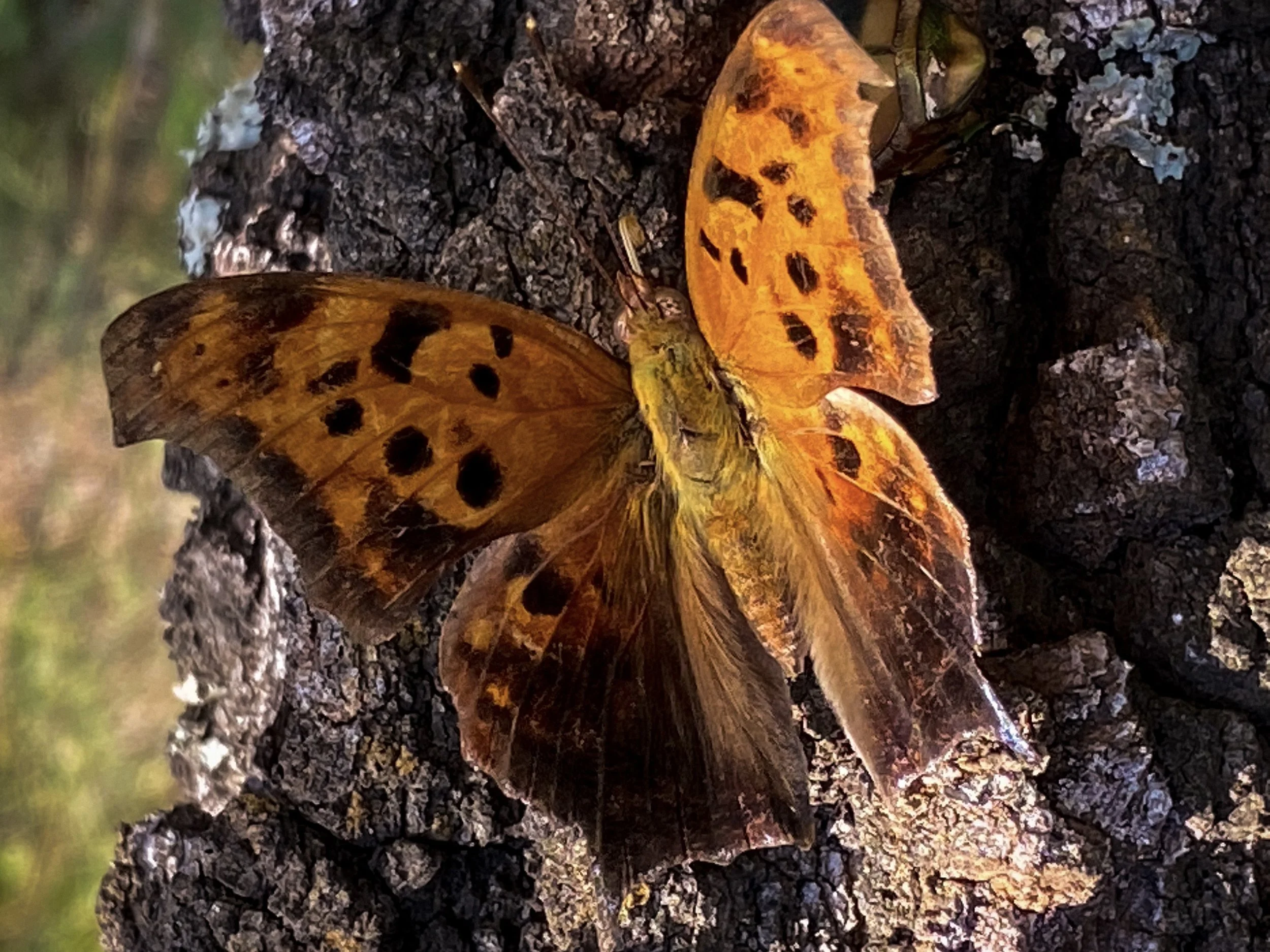
Which trees are changing color first? Which are still green? Are certain wildflowers blooming later than usual? Are bees and butterflies still visiting flowers? When does the first hard freeze arrive?
Keeping a few notes or photographs from year to year can reveal patterns we might otherwise overlook.
These observations can also contribute to community science efforts such as the USA National Phenology Network’s Nature Notebook, which collects seasonal observations from people across the country.
Our backyards, neighborhoods, parks, and natural areas are all places where we can learn to recognize the rhythms of the living world.
And those rhythms are worth understanding.
Sources and Further Reading
Oklahoma Mesonet: Oklahoma climate summaries and temperature records, September and October 2026. mesonet.org
NOAA: Resources on autumn foliage, temperature, and climate. noaa.gov
National Park Service: The Rise and Fall of Foliage, explaining autumn leaf color and seasonal change. nps.gov
USA National Phenology Network: Research and educational resources on seasonal biological events and climate change. usanpn.org
Nature’s Notebook: A community science program for tracking seasonal changes in plants and animals. naturesnotebook.org
U.S. Drought Monitor: Historical drought conditions and maps for Oklahoma. droughtmonitor.unl.edu
